


How corporate culture unites, motivates and retains talent: RedCore’s experience
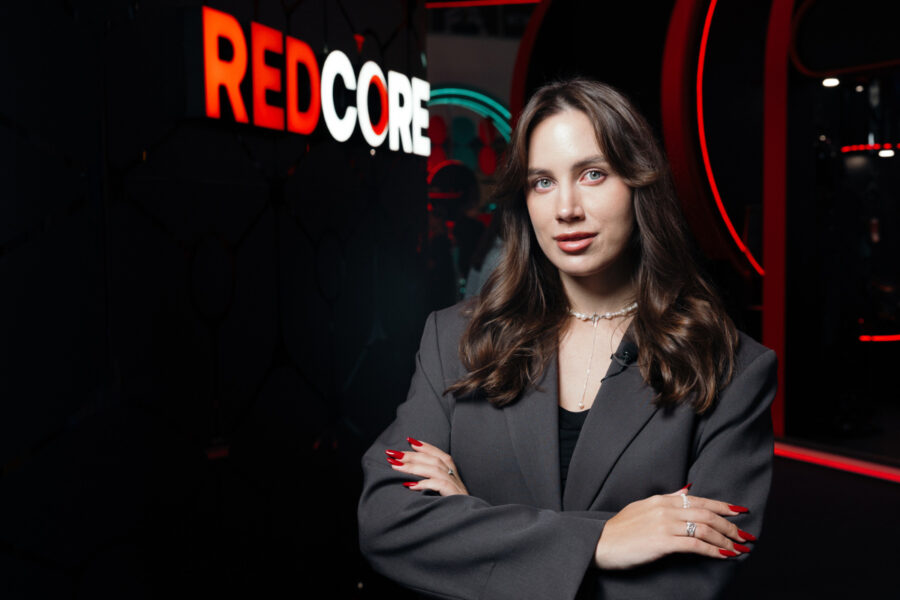

Yelyzaveta Suleimanova, Head of Corporate Culture at RedCore, explains how to unify teams and create an environment where top talent choose to stay and grow.
Interview.- RedCore is an international business group with nearly 5,000 specialists worldwide working with its brands. Despite the scale and global presence, teams work in synergy within a single system and focus on shared results.
How is such a system built, and what is the role of corporate culture in it? In this interview, Yelyzaveta Suleimanova, Head of Corporate Culture at RedCore, explains how to unify teams and create an environment where top talent choose to stay and grow.
In large organisations, internal communications are typically part of the process. Сorporate culture, however, is a relatively new focus area. How does it work at RedCore?
You’re right. The system we’ve built at RedCore has long moved beyond internal communications. It’s an infrastructure with a wide range of formats that reinforce each other and help create a strong professional environment where people understand the direction, support each other, and move toward shared goals.
This includes internal communities, an idea collection project, an interactive town, offline events, and more. If you’re interested, I’d be glad to share more details.
Most importantly, this systemic approach creates an environment where specialists actively contribute to the business group and directly influence internal processes. They have a clear understanding of the business group’s direction, recognise the value and impact of their work, and choose to stay and grow.
At RedCore, corporate culture integrates internal communications, communities, and events into a unified system driving engagement, retention, development, and motivation.
Nearly 5,000 specialists work with the brands of the RedCore business group. Many of them are located in different countries. How do you manage to unite teams at such a scale?
It’s a comprehensive approach. The business group made a strategic focus on transparency, trust, uniting specialists around common goals, and involving them in dialogue and change. And it worked out well.
One of the key drivers of this approach is internal communications. We created a strong internal media environment. Over the past year, we published about 4,000 posts across more than 25 targeted channels by location, service, and business units. This allows us to “talk” to every specialist, no matter where they are. I use the word “talk” deliberately – our communications are built as a dialogue, not a monologue.
Business news is delivered in multiple formats: CEO blogs revealing strategy and decisions, regular updates from top management, town halls, Q&A sessions, and we also launched “CoreCast” as a video and podcast content format.
All this reduces uncertainty and strengthens trust in leadership, and when specialists understand where the business group is headed and why certain decisions are made, it directly impacts their internal motivation, engagement, and retention.
You said there is a dialogue, not a monologue. How did you move from simply informing to involving specialists in the processes?
It doesn’t happen at once; it’s a systemic effort. We initially built internal communications to be not just “news to read,” but a real tool for involvement and participation.
Our brand’s specialists truly influence the development of the business group directly.
To support this, we build a culture of trust and safety. We regularly update the code of ethics, as well as have already implemented transparent policies of equality and inclusivity, and importantly, we have a trust line where people can provide feedback. This helps us step outside our own perspective and look at things from all sides – essentially from a 360-degree view.
To make the “dialogue happen,” we launched the “Core Idea” project, where specialists can send us their ideas. As a result, we receive more than 50 initiatives monthly, many of which directly affect business processes and team development. These are not just “ideas in a drawer,” they’re real changes we actually implement.
You mentioned internal communications also affect engagement levels. Can you give an example of one tool which works in practice?
We have a corporate digital platform, RedCore Team, which serves as a key driver of engagement. Gamified mechanics are integrated into the daily experience, strengthening the connection to values and motivation.
For example, we have an internal benefit points – RedCoins. They can be obtained for initiatives, participation in quests, important personal dates, and can be exchanged for branded devices or merch, or gifted to colleagues.
RedCore Team also includes a recognition system where colleagues and managers acknowledge each other’s contributions through awards and recognition points. This strengthens engagement and makes individual contributions visible. According to the latest data, specialists have sent over 95,000 recognition points to colleagues and received more than 4,500 awards from managers.
We went further and developed an interactive business group model – RedCore Town. It unites the team online, visualises the scale of the business group, and helps specialists navigate changes, reducing uncertainty. The gamified format makes this experience more engaging and enjoyable.
RedCore Town also hosts our largest quests, tied to key events such as the business group’s birthday and other significant holidays. For example, during the New Year period, brand specialists completed over 10,000 tasks. Teams explored traditions from different countries, guessed holiday melodies, and even made paper snowflakes.
For us, these are not just numbers but indicators of how truly engaged specialists are in processes and actively participate in the life of the business group. This integrated approach builds a sustainable culture of recognition and strengthens horizontal connections.
We’ve covered digital engagement practices. What role do offline formats play in your strategy?
Offline formats play one of the key roles: they help build closer relationships between teams and create an environment where trust, understanding, and synergy form faster.
We implement a systematic event strategy: monthly activities in each location, over 20 major events, and 100+ office initiatives annually. At the same time, we enable participation for remote specialists by covering travel and accommodation costs. Cultural context is an integral part of this experience: teams celebrate national holidays, helping both local and relocated specialists to connect and adapt more quickly to new environments.
Engagement in these formats is confirmed by numbers: over 80% attendance and more than 90% satisfaction.
We also actively develop a wellbeing direction: webinars on mental health, sports activities, involvement in international marathons, and programs with psychologists. This helps to maintain a balance between team results and mental and physical health.
With such a level of participation,it seems engagement happens naturally among specialists. Is that right?
You are right. Self-driven communities actively develop within the entire business group. Today, there are already 18+ active communities based on team members’ passions – from sports to books, games, travel, investments, etc. Any specialist can create their own community around their interests.
Our communities have long gone beyond simple chats. For example, the sports community independently launches challenges ranging from incorporating regular workouts into daily life to organizing running marathons.
From the business side, we support such initiatives and help to scale them. In April, for instance, we launched the Month of Sports: a professional trainer demonstrates daily workouts for all employees, and participants can get internal benefit points for completing them.
Internal communities unite people around common interests, creating a space for exchanging energy, ideas, and support. This way, the business group goes beyond just being a workplace and becomes an environment where people want to be part of a shared movement.
By Focus Gaming News Editorial Team