


Gambling ban for benefits recipients proposed by UK Conservative Party
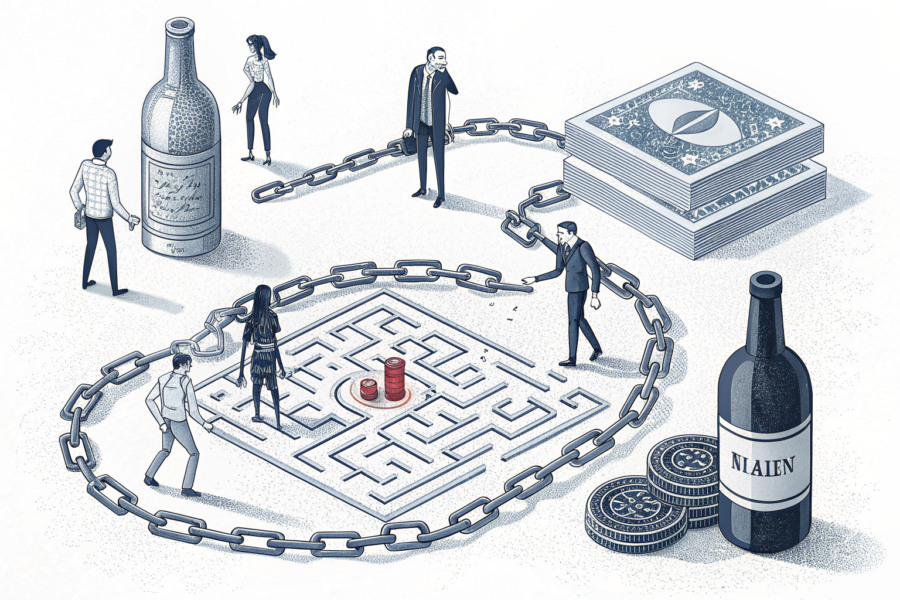
The Tories also want to ban some long-term unemployed benefit claimants from making cash withdrawals or spending on alcohol and cigarettes.
Key takeaways
- The Conservatives have proposed preventing certain long-term unemployed Universal Credit claimants from using benefits to buy alcohol, tobacco or gambling products, with payments made through a restricted “Back to Work” card that would also block cash withdrawals.
- Claimants deemed fit for work who have been unemployed for more than six months and lack a sufficient employment contribution record would see their benefits cut by 30 per cent, moving onto a lower “Subsistence Allowance” worth 70 per cent of the standard Universal Credit payment.
- The party says the policy could save around £538m a year and encourage people back into work, but Labour has dismissed the proposal as unworkable, while anti-poverty campaigners warn it could worsen hardship for vulnerable households.
UK.- The Conservative Party has confirmed plans to propose a ban on the use of state unemployment support to buy alcohol, cigarettes or gambling products. It claims that the measure could help reduce welfare spending and encourage more people into work.
Under the proposals, people who have been out of work for more than six months and are considered capable of working would face a 30 per cent reduction in their Universal Credit entitlement if they had not previously contributed a certain amount to the system through employment. The lower level of support would be paid through a restricted “Back to Work” card that would not permit cash withdrawals or spending on specified items including alcohol, tobacco and gambling.
The party said the measures are intended to help curb the growing welfare bill while creating stronger incentives for claimants to return to employment. It estimates that around 350,000 people would move onto the lower Universal Credit rate, generating annual savings of approximately £538m.
According to the proposal, every two years previously spent in employment would provide an additional year on the full Universal Credit rate. Those without a sufficient contribution record would instead move onto the new “Subsistence Allowance” worth 70 per cent of the standard payment. The Conservatives argue that this approach would safeguard peoplee with lengthy employment records. It noted that a 58-year-old made redundant after working continuously since leaving school would remain entitled to the full allowance until reaching state pension age.
People who are sick, disabled or already in work would not be affected by the changes, with the proposals applying only to claimants deemed fit for employment, it said.
Conservative leader Kemi Badenoch argued: “The best welfare is a well-paid job. So, we will be tough on those who exploit the system because the current system is unfair to workers, taxpayers and those who truly need support. Welfare must be a safety net for those who genuinely need it, not a lifestyle choice for those who can’t be bothered.”
An unworkable proposal?
The Labour Party has deemed the proposal impractical. “The Conservatives had 14 years to fix our welfare system but they completely failed to make meaningful reforms”, a Labour Party spokesperson pointed out. “Now they are proposing an unworkable new card scheme, which does nothing to tackle the numbers of people their system left signed off and written off.”
The plans were also swiftly criticised by anti-poverty campaigners. Helen Barnard, director of policy and research at the charity Trussell, described the proposals as “deeply misguided”.
“Universal Credit already falls well short of what people need to afford the essentials like food and heating, forcing people across the UK to the doors of food banks,” she said. “We see people’s health being damaged and their ability to find and maintain work undermined by the severe hardship so many are facing.”
The UK wouldn’t be the first country to ban welfare recipients from gambling. Brazil and Singapore already have such measures, and Armenia will introduce a ban from January 2027. Cyprus is also evaluating how it could implement such a measure.
The new British prime minister Andy Burnham has said he wants to reduce welfare spending, including by tackling the number of young people who are not in education, employment or training, although he has insisted this should not be achieved through what he described as “crude cuts”. Burnham has also shown little sympathy for the gambling sector so far, mooting an end to the “aim to permit rule”, while his chancellor John Healey is reportedly considering a rise in Machine Games Duty for the Autumn Budget. However, Labour is unlikely to adopt a card-based proposal, which could be seen as discriminatory as well as technically unsound.