


Dutch gambling regulator makes it easier for third parties to register people for self-exclusion
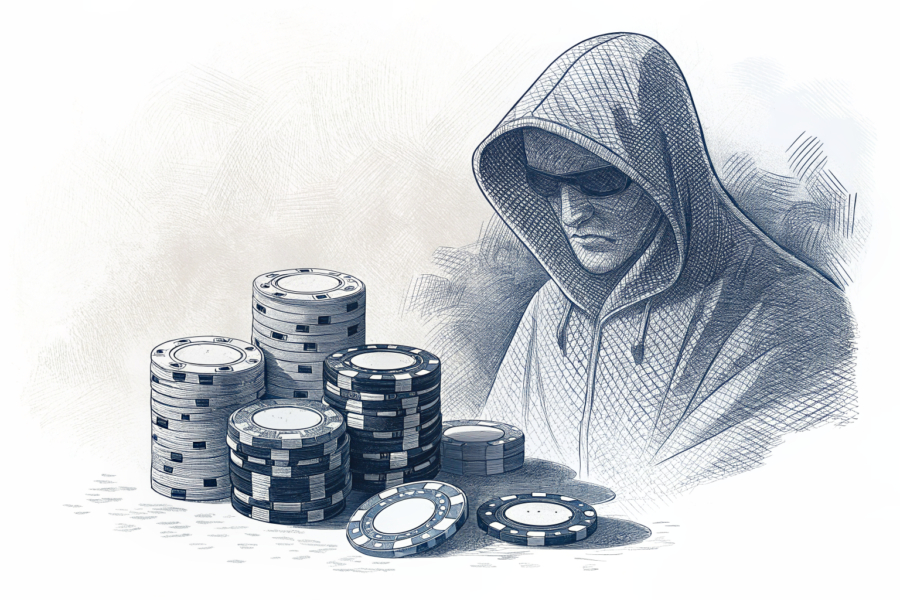
The KSA’s updates are intended to allow administrators to register people on Cruks more quickly.
The Netherlands.- The Dutch gambling regulator Kansspelautoriteit (KSA) says it has made it easier for administrators to register people with gambling problems on the Netherlands’ Central Register for Exclusion from Gambling (Cruks). The process has been simplified to allow administrators to register their clients more quickly.
The regulator said it recognised that people under administration regularly struggle with financial problems that can be caused by gambling problems or be exacerbated by them. It therefore sees registration on Cruks as potentially helpful for this target group. However, administrators had indicated that the existing process for forcibly registering a client in Cruks was very time-consuming.
Previously, administrators had to demonstrate that problematic gambling behaviour existed and that this caused harm to the client or their immediate environment. This could be difficult to do. As a result, the KSA has adjusted the requirement and now gives more weight to administrators’ own professional judgement.
This means that fewer additional supporting documents are required to back up a registration request. The KSA says that clients can be registered in Cruks by their administrators within two weeks.
“With this change, the KSA aims to prevent vulnerable groups from suffering financial damage and falling into further financial difficulties as a result of participating in gambling,” the regulator said.
Registration in Cruks prevents registered persons from gaining access to legal online gambling, slot machine halls and casinos in the Netherlands. The KSA hopes the change will enable administrators to intervene more quickly when gambling leads to financial or social problems among vulnerable groups.
Earlier this month, the KSA issued new grants from its Addiction Prevention Fund to provide funding to five bodies to promote training, support and treatment advances. Meanwhile, its latest industry report has suggested that recent gambling protection measures in the Netherlands may have hurt channelling.