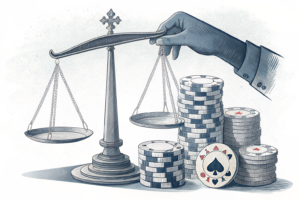
Casino licences: what really matters according to 1xSlots
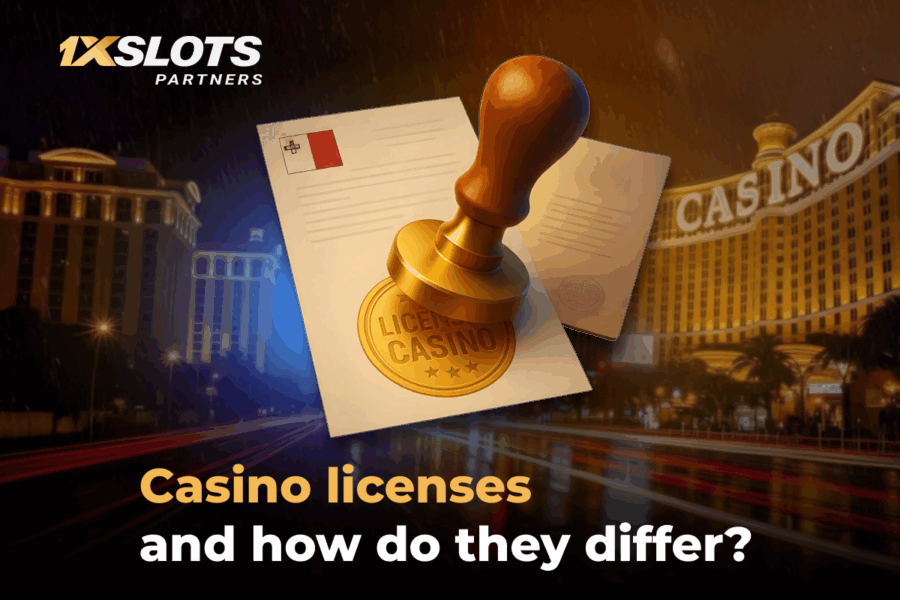
As regulations tighten and players demand greater transparency, 1xSlots argues that licensing remains a core driver of trust, stability, and long-term affiliate performance.
Opinion.- In this opinion article, 1xSlots outlines why a casino licence continues to be a fundamental marker of credibility in the online gaming industry. More than a regulatory checkbox, a licence reflects an operator’s commitment to safety, responsible practices, and consistent payouts — all crucial factors for both players and affiliates. As jurisdictions evolve and competition intensifies, 1xSlots highlights that understanding how operators are licensed is key to building reliable, sustainable partnerships across diverse markets.
For players, a licence isn’t just a tiny badge in the website footer — it’s a symbol of trust, safety, and transparency. For affiliates, it’s also a signal of long-term stability, consistent payouts, and brand reputation.
Why it matters:
- Conversion & trust. Players are more likely to register and deposit when they see a brand that looks legitimate and transparent.
- Reliable payouts. Trusted operators honour their commitments — to both players and partners — no matter where they’re licensed.
- Marketing access. Regulated brands can advertise and run bonuses more freely across different markets.
Bottom line: Don’t just work with a “casino.” Work with an operator that’s proven to be reliable, transparent, and partner-focused.
Key licensing jurisdictions
Malta (MGA)
- Pros: High credibility, access to EU markets, strong reputation with payment providers.
- Cons: Strict compliance and a lengthy licensing process.
- What to check: Make sure the operator is actually MGA-licensed and publishes regular reports — a solid sign of transparency.
United Kingdom (UKGC)
- Pros: One of the most respected regulators in the world — often seen as the “gold standard.”
- Cons: Market access is limited to UK audiences.
- What to check: UKGC licenses are often combined with others, boosting brand trust and visibility.
Curaçao (LOK 2024 and beyond)
- Pros: Fast setup and lower costs compared to Malta or the UK.
- Cons: The market is evolving, so some transitional risks may apply.
- What to check: Focus less on the license type and more on how consistently the operator pays partners — that’s what truly matters.
Isle of Man, Gibraltar & other European jurisdictions
- Pros: Great balance between reliability and flexibility, with less bureaucracy than MGA.
- Cons: Less common, usually used to strengthen a brand’s trust factor.
- What to check: Works well for operators targeting multiple markets with diverse regulatory needs.
Local Licenses (Netherlands, Italy, France, etc.)
- Pros: Direct market access and legal advertising options.
- Cons: Expensive, often with strict promo and bonus limits.
- What to check: For single-country campaigns, a national license can be mandatory — but it’s not always essential for global growth.
How to assess a casino licence
Before sending traffic, ask yourself:
- Payment history & affiliate terms. Does the operator pay on time and handle disputes fairly?
- Player protection. Reputable brands follow basic responsible gaming and verification standards.
- Audits & transparency. Third-party RNG or financial audits are a good trust indicator.
- License coverage. Check if the license allows activity in your target GEOs.
- Marketing flexibility. Understand what’s allowed — bonuses, retargeting, email campaigns, or offline promos.
- Reputation & feedback. Look for affiliate reviews and partner experiences — these speak louder than paperwork.
Turning a licence into a marketing advantage
- Promote trust and stability. Highlight reliability and on-time payments in your creatives and offers.
- Mix GEOs and licenses. Combine different operators and markets to stay flexible and reduce risk.
- Diversify your portfolio. Work with several brands from different jurisdictions to protect your revenue stream.
- Stay up to date. Market rules and license frameworks change fast — switch early when needed.
- Use official data sources. Link to regulatory registers or partner reviews to boost credibility and SEO.
Key risks to watch
- Fake or outdated licences. Always double-check using official registries.
- License suspensions. Losing regulatory status can affect payments and brand visibility.
- Domain or IP blocks. Even licensed brands can face local restrictions.
- Ad and bonus limitations. Especially within the EU — read the fine print before launching campaigns.
- Regulatory transitions (like Curaçao LOK 2024). Stay alert to avoid downtime or payout delays.
Final thoughts
A licence isn’t just a legal checkbox — it’s part of a bigger picture of trust, transparency, and long-term partnership. But what truly defines a strong operator is how they work, not just where they’re licensed.
Look for brands that pay affiliates on time, communicate openly, and deliver stable results across markets. That’s where sustainable growth — and reliable income — really come from.
By Focus Gaming News Editorial Team