British Gambling Commission stresses availability rules for tablet-based gaming machines
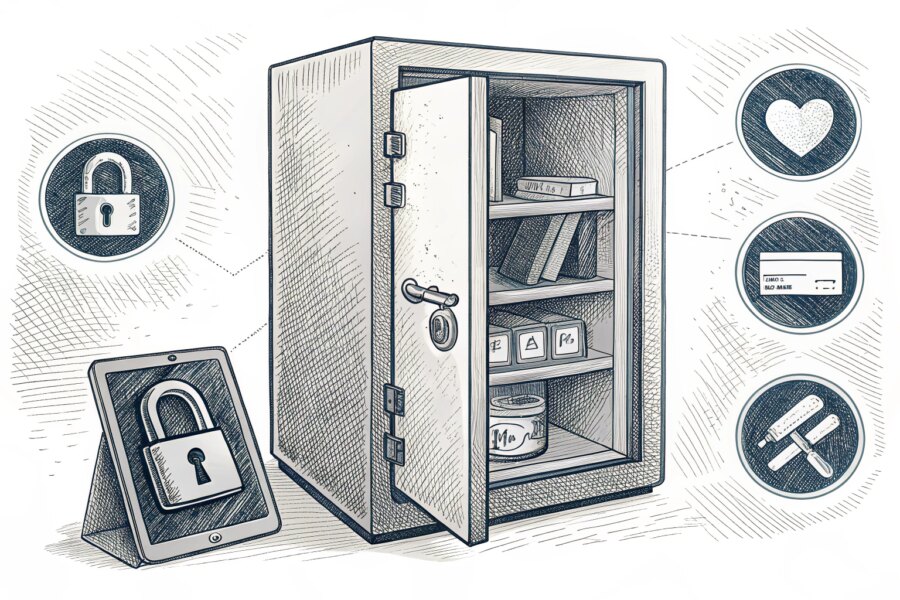

The regulator has warned operators that any tablets used towards gaming machine allocations must be accessible to customers without assistance.
UK.- The British Gambling Commission has issued a reminder to land-based gaming operators of the rules for gaming machines, particularly those based on tablets. The regulator stressed that all machines must be available for customers to use without staff assistance.
The regulator noted that if operators rely on tablets to meet category B machine requirements under the so-called 20 per cent rule, those tablets must be freely accessible to customers. Tablets stored in locked or secured cabinets that require staff assistance cannot not considered available for use. Failing to consider this could put operators in breach of Section 172 of the Gambling Act 2005.
To ensure compliance, operators should review how tablets are made available on premises and ensure that customers can access and use tablets independently without staff involvement, the Gambling Commission said.
The 20 per cent rule, also known as the 80/20 rule, for gaming venues in Britain limits the number of higher-stakes machines in adult gaming centres (AGCs) and licensed bingo premises. No more than 20 per cent of the total number of gaming machines available for use in an AGC or bingo hall can be Category B machines (specifically B3 and B4 types). The remaining 80% must be lower-category machines, such as Category C or Category D machines.
There has been some suggestion that some operators may have been stowing tablets away as a way to get around the 20 per cent rule while keeping lower-stake machines out of customer view to prioritise Category B devices. However, security is also a concern with tablets. The Gambling Commission has said that in such cases, operators must explore alternative security solutions that maintain compliance with availability requirements.
“Maintaining proper availability is essential to meeting your statutory obligations and avoiding regulatory action,” the regulator said. “Licensees are only entitled to count the number of machines that can be played simultaneously by different players without physical hindrance.”
In another example, it noted that a multi-position machine could not be classed as two or more machines if two or more players playing at the same time were required to stand closely together, which would discourage the second player from using the machine.
The same goes for tablets in that licensees should ensure that there is sufficient floorspace in the premises to permit counted tablets to be used simultaneously.
the regulator also noted that electronic bingo terminals (EBT) that offer gaming machine content in addition to bingo content are gaming machines. They are subject to adherence with the principles around AGC or bingo premises under the 20 per cent regulations.
An EBT must only allow participation in one gambling activity at a time and should not therefore contain functionality which allows participation in bingo and gaming machine activity simultaneously.
Changes to the 80/20 rule for gaming machines in Britain
New regulations effective from July 22, 2025, allowed many land-based casinos in Britain to increase their number of high-stake gaming machines. Casinos previously licensed under the 1968 Gaming Act (known as “converted casinos”) were generally limited to 20 gaming machines. They can now increase this number to up to 80 gaming machines (including Category B machines) if they meet specific size and table gaming requirements.
A sliding scale is available for qualifying casinos, allowing an allowance of between 25 and 75 machines based on their size. To qualify for the increased allowance, operators must meet minimum size requirements for gambling and non-gambling areas and adhere to a machine-to-table ratio of 5:1.