



Australia’s ‘scambling’ problem starts with deposits and often reveals itself at withdrawal
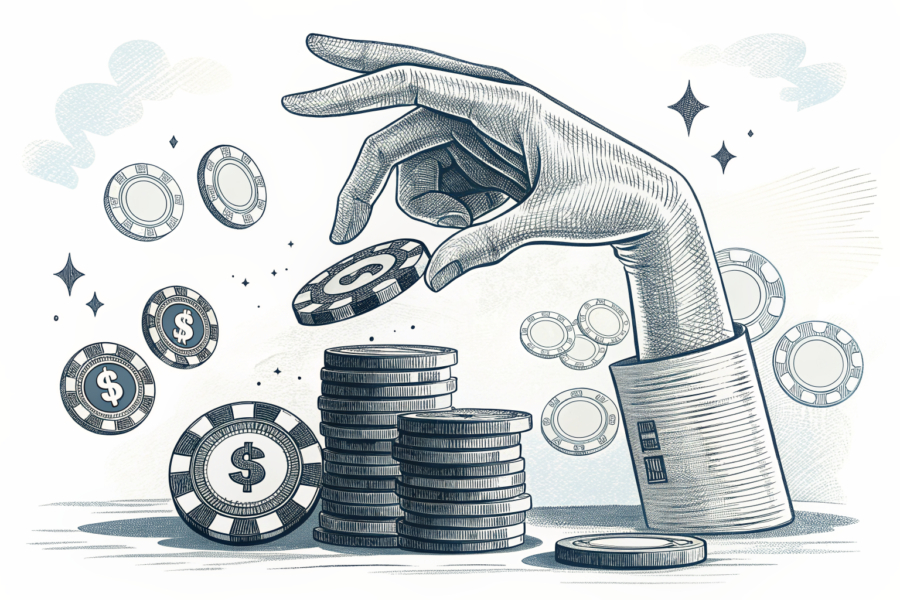
Australia’s fake online gambling problem often becomes clear when a player tries to cash out.
Key takeaways:
- Scamwatch received 806 scambling reports in 2025 — up from 677 in 2024 — with losses rising from A$449,000 to A$1.6m; the National Anti-Scam Centre believes the real figure is higher.
- More than 45% of reported 2025 losses came from people who identified as First Nations Australians.
- AUSTRAC’s Fintel Alliance found scambling sites use money-mule accounts and micro-laundering via PayID — moving victim deposits through chains of small transactions before they can be traced.
- A genuine gambling platform will never require an additional payment to release winnings or verify identity; that demand is the clearest sign a site is fraudulent.
- From January 1, 2027, Australian banks and payment companies must take reasonable steps to block transfers to prohibited gambling services under the Interactive Gambling Amendment (Gambling Reform) Act 2026.
Australia’s scambling problem, fake online casinos designed to steal deposits rather than offer genuine gambling — generated 806 reports and A$1.6m in losses in 2025 alone, according to Scamwatch data, with regulators warning the real figure is likely far higher. The scam typically becomes visible only when a victim attempts to withdraw: the deposit works, the balance appears to grow, but the money is already gone. New legislation taking effect in January 2027 shifts the focus from blocking websites to stopping the payment flows that make scambling financially viable.
The deposit works, the games work, and the account balance appears to grow. Then the player requests a withdrawal and either receives nothing or is told to send more money first.
By then, the scam has already worked.
Scamwatch received 806 reports of “scambling” in 2025, up from 677 in 2024. Reported losses rose from about A$449,000 to A$1.6m over the same period. More than 45 per cent of the losses reported in 2025 came from people who identified as First Nations Australians.
The National Anti-Scam Centre believes the real figure is higher. A person using what appears to be an online casino may assume the money was lost through gambling rather than stolen through a fake platform.
As Focus Gaming News reported when Australia launched its scambling taskforce in July, the investigation brings together regulators, police, banks, telecommunications companies, digital platforms and community groups. It runs until December 9, with findings expected in 2027.
The payment trail may be one of the most useful places to look.
The payment trail
The National Anti-Scam Centre has already identified patterns in the way scambling sites collect money.
Victims can be asked to make several small payments, sometimes using different PayIDs. Some platforms allow an early withdrawal before pushing the player to deposit larger amounts. Others offer rewards for referring friends or relatives.
That early payout has a purpose. If A$50 comes back without a problem, a later request to deposit A$500 may look much less suspicious.
AUSTRAC’s Fintel Alliance examined the financial side of scambling in a report published in November 2025. It found links to money-mule accounts used to receive and move deposits. Some fake gambling platforms use PayID-linked phone numbers, while the money can then pass through a series of accounts in relatively small transactions.
AUSTRAC refers to this as micro-laundering.
The agency has also seen scambling platforms tell users how to get around bank controls that might stop a payment.
This creates an unusual problem for banks. Fast deposits are normal across legitimate digital services. A successful payment on its own says very little about what sits behind it.
A string of small transfers to changing PayIDs looks different. So does an account receiving payments from unrelated people and quickly moving the money elsewhere.
Those patterns can appear before a victim ever attempts a withdrawal.
Illegal gambling and scambling
There is also a difference between an illegal online casino and a fake one.
Under Australia’s Interactive Gambling Act 2001, online casino games and online pokies cannot legally be offered to people in Australia. ACMA also takes action against unlicensed wagering services and has blocked thousands of gambling and affiliate websites.
A scambling site goes further. The gambling product itself is part of the deception.
The National Anti-Scam Centre describes fake gambling sites that manipulate apparent results, refuse withdrawals or demand another payment before supposed winnings can be released.
An offshore casino breaking Australian gambling law is not automatically a fake casino created to steal deposits. Banks and digital platforms therefore need more than a domain name or a casino-style website when deciding whether they are looking at organised fraud.
Payments can provide another part of that picture.
Withdrawals
A working deposit does not prove much about an online casino. Neither does a professional design, a functioning slot game or a number on the screen showing a player’s balance.
A completed withdrawal, on the other hand, is much harder to fake.
This is also why payout testing can provide information that a casino’s own terms cannot. An operator might state that withdrawals are processed within 24 hours, but that tells the reader nothing about what happened in an actual transaction.
Independent review sites come in handy for this. In its reviews of Australian casinos, AustralianStakes records real deposits, identity checks and completed withdrawal times rather than relying only on the processing periods published by operators. That type of data cannot establish on its own whether a platform is legitimate, but it can show whether money was actually returned and how long the process took.
Banks have access to a much larger set of transaction data. Advertising platforms can see how sites are being promoted. Search engines and app stores can see how quickly new domains and apps appear.
Put together, those signals tell a lot more than the casino homepage does.
One warning sign is especially simple. The National Anti-Scam Centre says a genuine gambling platform should not require another payment to release winnings, recover losses or prove a player’s identity.
Once a victim reaches that point, the money may already have moved.
AUSTRAC chief executive Brendan Thomas said in April that scambling victims will “almost never see their winnings” because money sent through PayID or bank transfers can quickly pass through receiving accounts and move offshore.
The comment came after AUSTRAC reviewed six foreign-owned bank subsidiaries and found weaknesses in controls used to detect money-mule activity.
The 2027 rules
Australia is also changing the way illegal gambling payments are handled.
The Interactive Gambling Amendment (Gambling Reform) Act 2026 received Royal Assent on August 26. Part of the law takes effect on January 1, 2027.
From that date, banks and payment-system companies will have to take reasonable steps to stop Australian accounts from sending money to gambling services identified under the new rules. The restriction can also cover related companies and people acting for those operators.
Companies that fail to meet the requirement can face civil penalties.
The law also gives ACMA more scope to share information with financial institutions. Other parts of the reforms apply to internet providers, app distribution services and search engines used to reach blocked gambling services.
These measures were not written specifically for scambling. They apply more broadly to prohibited and unlicensed gambling.
Website blocking alone also has limits. ACMA referred another 187 gambling sites for ISP blocking between April and June 2026. Some were alternative domains created after earlier addresses had already been blocked.
A website can be replaced quickly. A scam operation still needs somewhere for the money to go. That is the harder part to hide, particularly when banks, regulators and digital platforms start comparing what they can see.
The scambling taskforce is due to finish its work in December. Only a few weeks later, the new payment rules take effect.
The useful measure in 2027 will not simply be how many fake gambling domains Australia blocks. It will be how often the money is stopped before a victim reaches the withdrawal page and discovers there was never going to be a payout.
By Focus Gaming News Editorial Team