



Special report: How will the closure of satellite casinos change the gaming landscape in Macau?
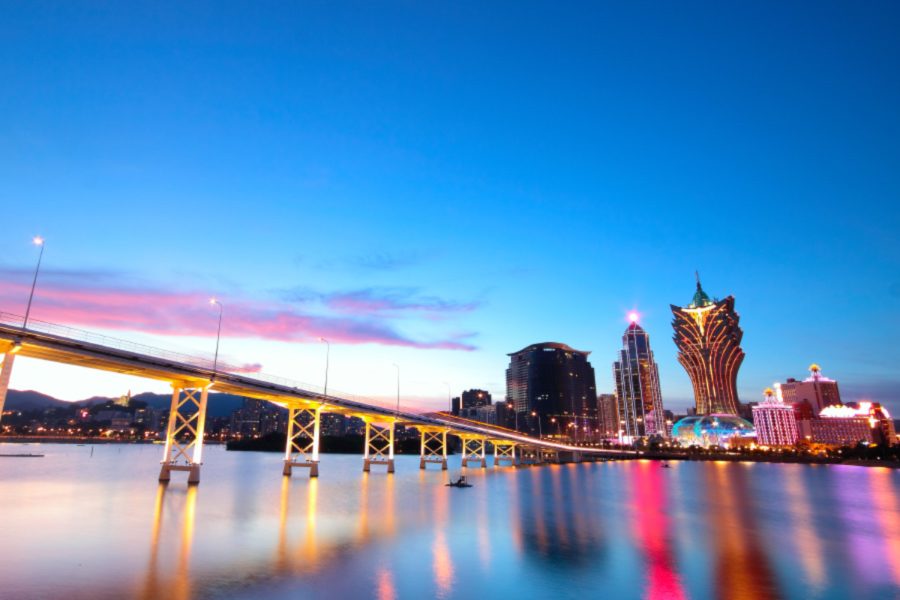
Harmen Brenninkmeijer, Founder and Executive Chairman of NYCE International Plc, shares with Focus Gaming News his views on the closure of Macau’s satellite casinos.
Special report.- The Macau gaming market is undergoing significant changes. In June, the government of Macau confirmed that it has received notifications from SJM Resorts, Melco Resorts and Galaxy Entertainment Group that 11 satellite casinos will close by the end of the year.
To gain deeper insight into the decision and its implications for the industry, Focus Gaming News spoke to Harmen Brenninkmeijer, a veteran in the gaming space.
Brenninkmeijer says the closure of satellite casinos in Macau marks a significant turning point in the region’s gaming industry, amid regulatory shifts and evolving strategic visions. About the main factors leading to the move, he notes that in Macau amended its gaming laws in 2022 to enhance regulatory oversight, stipulating that satellite casinos could no longer operate if owned by third parties.
“This move mandated that all gambling activities occur exclusively within casinos directly owned and operated by licensed entities. To facilitate a smooth transition, a three-year grace period was granted, ending in 2025. Major operators like SJM responded decisively, opting to close most of their satellite casinos. Only two facilities—Casino 2016 and The L’Arc—remain operational, as they are being directly acquired and managed by SGM to ensure compliance,” he explained.
Brenninkmeijer says this regulatory change underscores “Macau’s shift towards a more upscale and controlled gambling environment, aligned with Beijing’s strategic vision of elevating the city’s global reputation.”
According to Brenninkmeijer, the focus is increasingly on “offering world-class casino experiences, phasing out smaller, less integrated satellite operations that primarily attracted regular, local players seeking a familiar environment.” Consequently, this transition signifies “Macau’s move to a more regulated, premium gaming industry that aims to reduce fringe activities and ensure high standards.”
However, historically, satellite casinos played a vital role in Macau’s growth by providing accessible, community-like gambling venues that attracted a diverse customer base. These venues catered to players who preferred a more casual and comfortable setting over the grandeur of large resorts—akin to locals frequenting neighborhood pubs.
“Their disappearance could diminish Macau’s localised appeal, potentially impacting the flow of regular gamblers who find comfort in these venues,” Brenninkmeijer says.
He notes that unlike Las Vegas, known for its vast array of diverse entertainment options, Macau has traditionally centered its identity on serious gaming pursuits. “The satellites had their chance to create another form of entertainment, but they failed in diversifying their offering, making it feel that this is not what Macau’s gaming should be offering,” he says.
For Brenninkmeijer, the reduction of satellite casinos “narrows Macau’s offerings, thereby affecting its ability to attract repeat visitors from just across the border seeking a more affordable and comfortable gaming experience.” He adds: “This loss will influence Macau’s competitive edge as a comprehensive entertainment hub.”

According to Brenninkmeijer, the Chinese government’s emphasis on controlling the gaming industry aims to curtail negative societal impacts while maintaining profitability. This stance favours large, structured operations over smaller, informal venues.
“Culturally, Chinese players favour consistent gaming experiences, emphasised by their love for games like Baccarat. The disappearance of satellite casinos removes accessible entry points for casual and regular lower-spending players, potentially constraining Macau’s appeal for a broader audience,” he says.
As for financials, Brenninkmeijer suggests that the acquisition of properties like Casino L’Arc and Casino Ponte by SJM is unlikely to significantly impact their credit ratings.
“Historically, operators such as SJM have prioritised maximising returns over reinvestment. This was also evident in their oversight of the satellite facilities, which represented a missed opportunity to further strengthen their financial standing and market appeal,” he explains. He adds that, looking ahead, there is potential for the government to develop a new satellite model, possibly operated solely by license holders, that offers a broader variety of games and entertainment, transforming Macau into a more dynamic entertainment destination.”
Brenninkmeijer says operators like Paradise Gaming face challenges due to reduced cash flows, impacting their capacity to develop and expand their affiliated businesses. “Larger licence holders may hesitate to invest in innovation and new equipment or infrastructure, affecting the supply chain and industry innovation,” he says.
As he sees it, licence holders need to strategically analyse what made satellite casinos successful, such as local accessibility and familiar environments, and consider how to attract these not-insignificant players back to Macau, preventing them from seeking alternatives elsewhere, including illegal markets.
“It narrows some of the traditional, accessible gambling experiences, but it also could open doors for innovative models that could diversify Macau’s entertainment landscape, ensuring its continued prominence for the neighbouring players”, Brenninkmeijer concludes.