


Philippine president reportedly considers online gambling ban

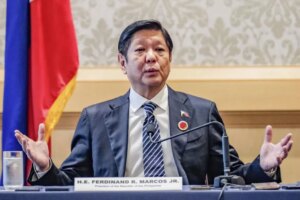
Ferdinand Marcos Jr. is said to be reviewing proposals ranging from tighter regulations to a full prohibition.
The Philippines.- President Ferdinand Marcos Jr. is reportedly evaluating a potential nationwide ban on online gambling in the Philippines amid mounting pressure from lawmakers and civil society. Palace officials have said that Marcos is considering legislative proposals that range from heightened regulation and taxation to a complete prohibition of online betting platforms.
During a press briefing, Palace press officer Claire Castro said any decision would be made with caution, noting the potential economic impact and unintended consequences of banning licensed operators.
“Sometimes, banning legal and licensed online gaming sites results in a rise in illegal platforms, which could affect the economy even more,” Castro warned. “We must not rush into this.”

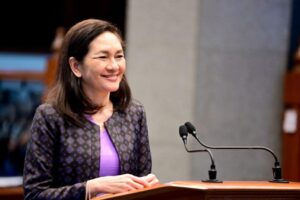
Senator Raffy Tulfo has been among the most vocal advocates for a ban, urging the President to address the issue directly in his upcoming State of the Nation Address on July 28. Meanwhile, other lawmakers are pushing for a mix of restrictions, including curbing access to digital platforms and preventing e-wallets from facilitating gambling transactions.
The country’s largest integrated resort operators, Solaire Resort, Newport World Resorts, and Okada Manila, have defended their online offerings. In a rare joint statement, they asserted that their digital gaming services were fully licensed, responsibly managed, and compliant with all local regulations, including anti-money laundering rules and data privacy policies.
“Prohibition does not erase online gaming. It only erases the safeguards that protect the Filipino people,” the Licensed Online Gaming Operators group said in a separate statement, advocating for better oversight rather than an outright ban.
The Department of Finance has proposed a 10 per cent tax on digital gambling operators, aimed at funding addiction recovery. President Marcos has voiced support for this, provided such proposals are grounded in research.