



Hong Kong-listed casino stocks plunge amid trade tensions between China and the US
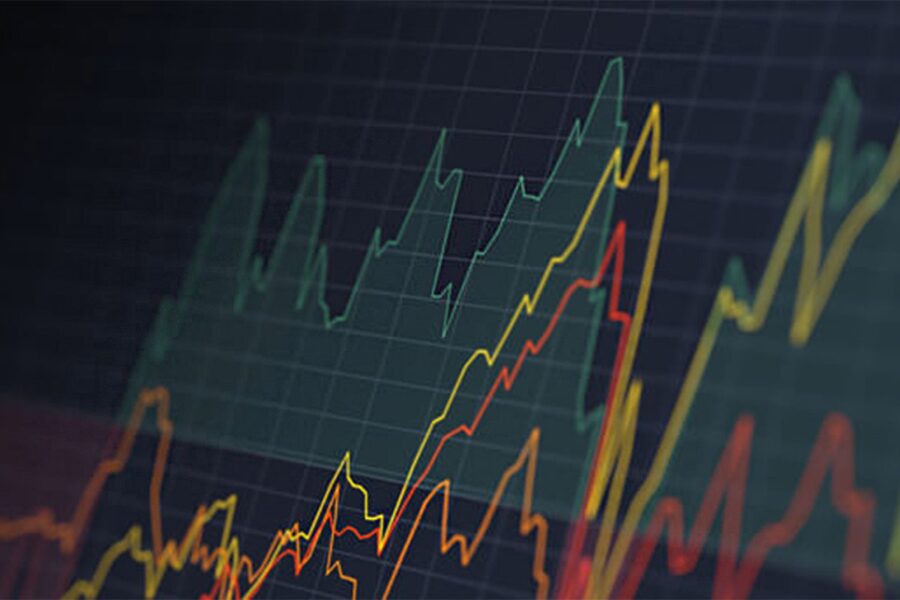
All six Macau casino operators lost more than 10 per cent in stock value on Monday.
Macau.- Casino operators listed on the Hong Kong Stock Exchange saw big drops in their stock price on Monday (April 7). The declines came amid a 13 per cent fall in the Hang Seng Index, the largest single-day decline since the 1997 Asian financial crisis, as almost all global stock markets tumbled on the back of US president Donald Trump’s tariff announcements.
Galaxy Entertainment Group saw its stock drop by 12.44 per cent, while Melco International Development lost 16 per cent and SJM Holdings 18 per cent. All three reached their lowest prices in three years.
Wynn Macau and Sands China fell to six-month lows, down 13 and 14 per cent, respectively. MGM China fell 12 per cent to a three-month low.
The equity research firm Morningstar said American gaming companies with interests in Macau were more vulnerable to rising trade tensions between the US and China. It’s lowered its estimate for Las Vegas Sands from US$56 to US$53 per share and for MGM Resorts from US$49 to US$46 per share. However, it kept Wynn Resorts at US$111 per share.
In February, US authorities labelled the Macau Special Administrative Region as a “foreign adversary” due to national security concerns, placing it in the same category as Russia, Cuba, and Venezuela. In March, Harmen Brenninkmeijer, chairman & managing partner of NYCE International, told Focus Gaming News he didn’t expect this to negatively impact on Macau’s gaming industry given that the primary source of visitors to Macau is mainland China and Hong Kong.
He said: “Macau has historically not relied heavily on American tourists, and the operators in the region have adeptly adapted their business models to cater to Asian clientele. This adaptability positions Macau’s gaming industry well to weather changes resulting from US policies. The focus on understanding and catering to Asian preferences—whether in gaming experiences, dining, or entertainment—has enabled Macau to thrive despite external pressures.
“Additionally, the current climate of US isolationism and rising anti-Chinese sentiment could unintentionally bolster local tourism within Asia. As international visitors reconsider their travel plans, more people may opt to explore destinations closer to home, thus enhancing Macau’s attractiveness among regional tourists.
“Overall, while tensions between the US and China may complicate some relationships, Macau’s reliance on its core customer base—Chinese visitors—along with its ability to adapt and cultivate a unique regional appeal, could ultimately result in a more robust local tourism environment, strengthening the city’s gaming sector in the long run.”