

Zimbabwe’s 2026 gambling tax hike sparks sharp industry criticism
Industry groups and punters warn the new tax hikes could squeeze pay-outs, strain operators and push more betting into unregulated spaces.
Zimbabwe.- Zimbabwe’s newly announced gambling taxes have ignited sharp criticism from industry groups, betting operators and financial analysts, who warn the measures could destabilise the sector and hurt ordinary punters.
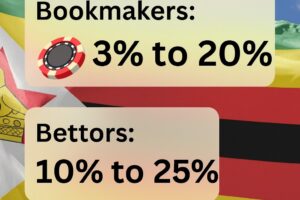
The 2026 national budget, unveiled by Finance Minister Mthuli Ncube, raises the withholding tax on punters’ winnings from 10 per cent to 25 per cent and slashes bookmakers’ gross revenue with a new 20 per cent final tax, up from 3 per cent. The new regime takes effect on January 1, 2026, and the government says the changes aim to capture revenue from the booming gambling sector and curb social harms linked to betting.
A representative of a local betting industry association said, according to Equity Axis: “These taxes punish ordinary citizens and licensed operators, without addressing the root causes of economic hardship.”
Analysts warn that the 25 per cent tax on winnings drastically cuts net pay-outs for punters, while the 20 per cent levy on gross revenue could push smaller operators to the brink. Job losses, outlet closures and a shift toward unregulated betting are seen as real risks if the measures remain in place.
An analyst closely monitoring Zimbabwe’s betting industry said, according to ZimEye: “Rather than fixing spending inefficiencies or tackling corruption, the government is squeezing a sector that provides both employment and entertainment.”
Tax hike sparks industry concern
The changes have been described as “one of the most significant overhauls” of Zimbabwe’s gambling regime in years, while cautioning that higher costs for punters and operators may “stifle growth” rather than stabilise the sector, according to an African iGaming report.
Recent media reports in Zimbabwe say punters have expressed frustration, arguing the tax hike arrives amid economic hardship when gambling can serve as entertainment or extra income. Critics say the taxes address the symptoms rather than the underlying issues of unemployment, inflation and poverty that drive betting.
Industry watchers say they will “monitor the impact” on licensed operators and government revenue. The analyst added: “If the sector contracts or shifts underground, the government risks losing both control and revenue.”
As Zimbabwe pushes to formalise a growing gambling market, officials say the reforms balance bringing in revenue with protecting consumers. Critics call the policy punitive and finance-driven, raising concerns that the real issues, economic hardship affecting ordinary punters and small firms, will not be addressed.