


Zimbabwe gambling taxes rise to 20% for bookmakers and 25% for bettors in 2026
Finance Minister Mthuli Ncube introduces sweeping 2026 tax hikes on Zimbabwe’s gambling sector to enforce compliance.
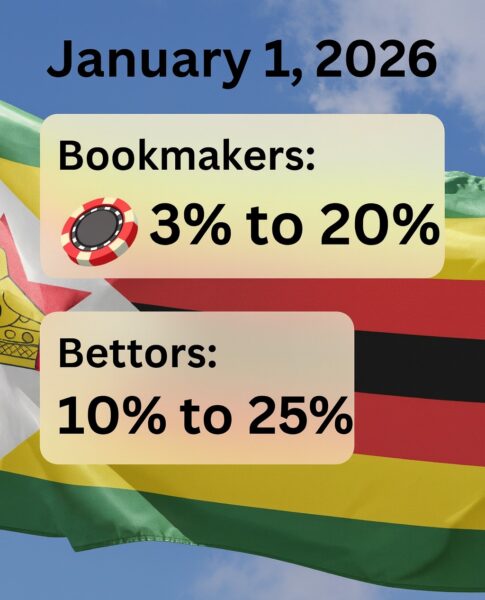
Zimbabwe.- Zimbabwe will overhaul its gambling sector from January 1, 2026, as bookmakers’ tax jumps from 3 per cent to 20 per cent and bettors’ winnings, previously taxed at 10 per cent, now rise to 25 per cent. The move is aimed at boosting state revenue and addressing social risks linked to the rapidly expanding industry.
The sweeping changes were announced by Finance Minister Mthuli Ncube during the presentation of the 2026 National Budget at the New Parliament Building in Harare on November 28. To ensure compliance, the Minister explained that the 20 per cent levy will be treated as a final tax, meaning affected companies will no longer pay Corporate Income Tax.
Ncube said, according to iHarare: “The tax hike is meant to enhance fairness and ensure that the beneficiaries of the sector’s growth also contribute meaningfully to public revenue. The new rate applies to all licensed betting companies, lotteries and casino operators, representing a 17-percentage-point increase.”
Punters will also feel the impact of the changes, as the withholding tax on winnings rises to 25 per cent. Ncube emphasised the government’s intent to formalise the rapidly growing sector. “The government expects that this substantial increase in taxation for punters will not only enhance the state’s revenue stream but also provide the necessary resources to address the growing betting-related vices,” he said.
Zimbabwe betting industry surges
According to a Herald report, the Zimbabwean betting industry generated approximately $120m in 2023, with online operations contributing about $45m. Active online bettors reportedly rose to over 300,000 in 2024, with around 60 per cent aged 18-35, and the industry recorded annual revenue growth of 8-10 per cent from 2023 to 2024. Online betting is the fastest-growing segment of the market, reflecting changing consumer patterns.
The Minister also highlighted the social consequences, citing concerns over addiction, warning that the sector’s growth has outpaced existing regulatory controls. The new measures aim to address both the economic and social risks tied to the booming gambling sector, while ensuring regulatory compliance and fairness in contributions to state revenue.
Zimbabwe’s move represents one of the most significant reforms to its gambling sector in recent years, reflecting both a push for increased state revenue and an effort to mitigate social risks and enforce compliance in a rapidly expanding market.