

Weldon Koros, AGRA: “The most challenging problem in Africa at the moment is the fragmentation of regulatory frameworks”
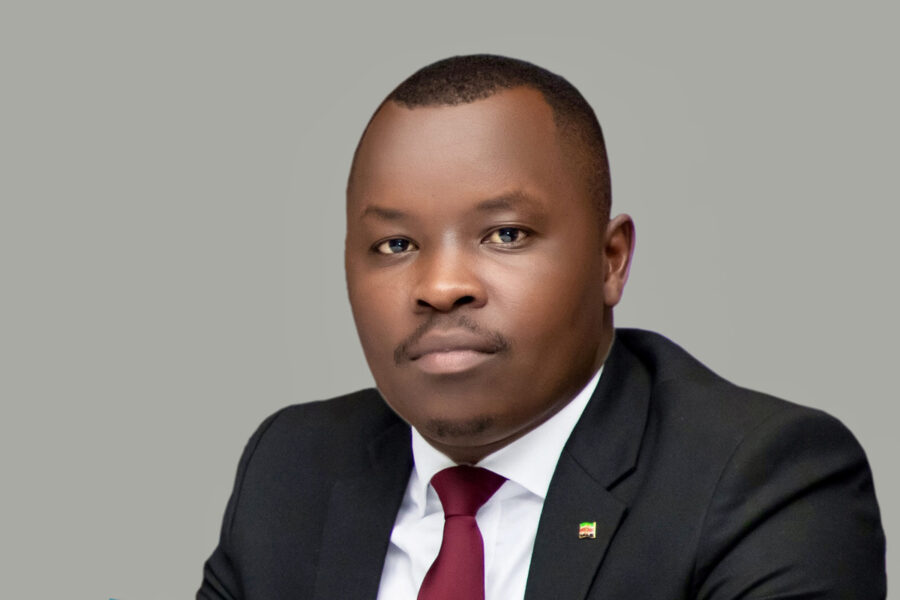

Weldon Koros, Director of the Association of Gaming Regulators in Africa (AGRA), discusses efforts to harmonise gambling standards and tackle illegal gambling in this exclusive interview with Focus Gaming News.
Exclusive interview.- The Association of Gaming Regulators in Africa (AGRA) brings together regulatory authorities from across the continent to promote collaboration, develop unified standards, and strengthen oversight of the gambling sector.
By addressing challenges such as fragmented frameworks, illegal gambling, and gambling-harm-related issues, the association seeks to create a more consistent and transparent regulatory environment in the region.
In this exclusive interview, Weldon Koros, AGRA’s director, discusses the association’s key initiatives, its efforts to harmonise standards, and its vision for the future of gambling regulation in Africa.
Your Association has several advisory committees focused on illegal gambling, responsible gaming, testing, and training. Which committee’s work do you see as most critical right now, and why?
Apart from the committees you have listed above, the Association also has a Technical Standards Committee, which plays a critical role in developing and harmonising gambling standards across Africa.
The Technical Standards Committee brings together National Regulatory Authorities and National Standards Bodies to develop unified standards across the continent.
Apart from developing and harmonising gambling standards, the Technical Standards Committee is also responsible for regular review and maintenance of the standards to ensure that they remain relevant and up to date.
As regards which committee’s work I see as the most critical, and why, I think the work of the Technical Standards Committee is the most critical, because Africa faces fragmented regulatory frameworks, with each country applying different rules and regulations.
This lack of uniformity creates compliance challenges for operators and makes it difficult to address cross-border issues such as illegal gambling, addiction and money laundering.
In response to these challenges, the Association established the Technical Standards Committee to develop and harmonise standards across the continent.
Which African countries are currently leading the way in adopting your industry standards, and which countries are still in the early stages of regulatory development? Could you provide specific examples of how some of these countries have successfully implemented the standards?
At this stage, no African country has formally adopted our standards since the harmonisation process is still underway and is scheduled to conclude around the year 2028.
Once the harmonisation process has been completed, the standards will be officially published as African Standards and implemented across different African Countries.
Your mission emphasises promoting the development of gambling regulation in Africa. What are the biggest gaps you currently see in regulatory frameworks?
The most challenging problem in Africa at the moment is the fragmentation of regulatory frameworks. Different African countries have developed their regulatory frameworks in isolation, resulting in inconsistencies.
This has created barriers to trade and made it difficult for the Association to address cross-border issues such as illegal gambling, money laundering, and problem gambling.
And how is the association addressing them?
In order to address the problem posed by fragmented regulations, the Association is currently spearheading a harmonisation process aimed at developing unified regulatory frameworks.
By conducting harmonisation, we aim to reduce technical barriers to trade, thereby creating a stable and predictable business environment for operators.
What opportunities and challenges do you see arising from the increasing popularity of online gaming in Africa?
The rise of online gambling in Africa offers great opportunities such as economic growth, job creation and increased tax revenues for governments. With the rise of online gambling comes the problem of gambling addiction, which can have serious social and economic consequences if it is not addressed.
“The rise of online gambling in Africa offers great opportunities such as economic growth, job creation and increased tax revenues for governments.”
Weldon Koros, director of the Association of Gaming Regulators in Africa (AGRA).
And how is AGRA preparing to address this?
In order to address the problem posed by gambling addiction in Africa, the Association is working to strengthen treatment and support services for the affected, while also promoting education initiatives that encourage responsible gambling practices.
Are there any specific initiatives or projects that AGRA is currently working on to enhance gaming regulation in Africa?
Yes, the Association is currently leading the African Gambling Standards Harmonization Project, a three (3) year initiative aimed at developing unified regulatory standards across the continent. This project seeks to address the problem of fragmented regulatory frameworks across the continent.
How does AGRA collaborate with other international gaming regulatory bodies?
The Association works closely with international regulators through bilateral partnerships and joint initiatives to exchange information, share best practices, and address pressing cross-border issues such as illegal gambling, money laundering and gambling addiction.
What benefits does this collaboration bring to African regulators?
By working with international regulators, the Association will gain access to technical expertise that strengthens its capacity to address complex cross-border issues such as illegal gambling, money laundering and gambling addiction.
Further, collaboration with international regulators helps ensure that Africa’s harmonised standards are aligned with international best practices, while still reflecting Africa’s social and economic realities.
Looking ahead, what are the Association’s top three priorities for the next years, and how do you envision Africa’s gambling industry evolving during that time?
The Association’s top priorities over the next years will be:
1. Harmonisation of Standards, to reduce fragmentation, promote consistency, and create a predictable business environment for gambling operators.
2. Combating Illegal Gambling by strengthening cross-border cooperation and enforcement mechanisms to curb unlicensed operations.
3. Addressing Gambling Addiction through education and treatment support systems to protect vulnerable groups and promote responsible gambling.
By pursuing these priorities, we aim to ensure that the gambling industry in Africa contributes positively to national development while safeguarding vulnerable groups.
By Focus Gaming News Editorial Team