


Tunisia revises draft gambling laws to strengthen industry and safeguard sports
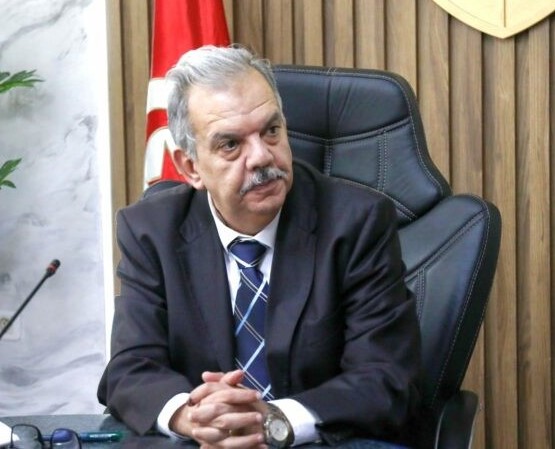

Minister Sadok Mourali unveils a revised draft law aimed at modernising betting regulations, protecting sports integrity and securing revenue streams.
Tunisia.- Tunisia announced a major reform of its gambling and sports-betting laws, aimed at tightening oversight, cracking down on unlicensed activity and protecting the integrity of sporting competitions.
Minister of Youth and Sports Sadok Mourali has revealed a comprehensive revision of the draft law covering games of chance, money and sports betting.
A Webdo report states: “The minister presented the complete revision of the draft law on games of chance, money and sports betting, which was adapted to international standards to combat manipulation and money laundering.”
The draft has been submitted to the Prime Ministry and awaits review by the Council of Ministers, marking a major step in Tunisia’s efforts to regulate a sector where sports betting, particularly online, has long operated in a grey zone. Casinos and lotteries remain tightly controlled, but offshore operators have exploited regulatory gaps.
The report added: “The objective is to secure the sector and prevent any external influence likely to harm the integrity of the competitions.”
Shaping Tunisia’s gambling reform
In November 2024, reports stated that the reform followed consultations with multiple public institutions, including the Central Bank and Competition Council, underscoring the government’s aim to secure revenue streams and enforce integrity in competitions.
The law is part of a broader sports-governance reform, which includes improved club management, stadium safety and competition oversight. Key details such as licensing procedures, taxation and online operator rules remain unpublished, with analysts noting that the law’s practical impact will only be visible once enacted.
Tunisia’s government is signalling a clear intent to tighten regulatory control, protect the betting industry, and safeguard sports integrity, potentially reshaping the country’s gambling and sports sectors for years to come.
By Focus Gaming News Editorial Team