

South Africa’s lottery licence awarded by panel with zero lottery experience
Audit firms declined to assist due to ‘reputational risk’, while committee members had backgrounds in gambling, not lotteries.
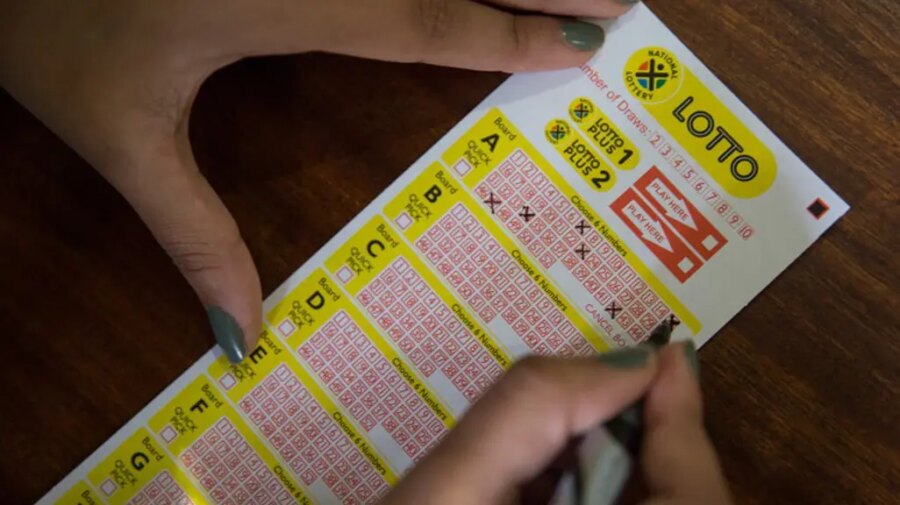
South Africa.- South Africa’s multi-billion-rand national lottery licence was awarded by a committee whose members had zero experience running lotteries, a revelation that raises serious questions about the integrity and suitability of the selection process.
Despite overseeing a R60 billion ($3.33bn) asset meant to fund social causes, the evaluation panel appointed by the National Lotteries Commission (NLC) was made up of professionals from gambling, horse racing and casinos, but none with lottery-specific credentials.
Insiders interviewed by GroundUp stressed the stark difference between gambling and lotteries. In gambling, operators profit from player losses. But in a lottery, proceeds are meant for public good, and the operator must act as a neutral facilitator.
NLC Commissioner Jodi Scholtz said there were not many independent lottery experts in South Africa, and that the commission turned to a recruitment agency to source evaluators. Major audit firms refused to participate, citing reputational risk stemming from the corruption that dogged the previous board.
Despite calls for transparency, both Minister of Trade and Industry Parks Tau and the NLC declined to name the evaluation committee.
But GroundUp independently confirmed their identities – a list that includes chartered accountants, gambling consultants, casino managers and IT executives, but not a single individual with direct experience running a national lottery.
Revelations in Parliament
The revelations came during a marathon four-hour grilling of the NLC and Tau by Parliament’s trade and industry portfolio committee on Tuesday. The scrutiny intensified following an explosive media report that Deputy President Paul Mashatile’s wife’s twin sister, Khumo Bogatsu, allegedly co-owns a company in the Sizekhaya consortium, which won the recent national lottery bid.
“We will look at the allegations. It would be irresponsible of us to ignore what has been raised in the public domain by investigative journalists and the media,” said Tau, according to MoneyWeb.
“But we must pass a test, and that test cannot be subjective.”
The winning bidder, Sizekhaya, includes Goldrush, a well-known sports betting firm, as a major shareholder, adding to concerns that a gambling-oriented operator may not be best suited to manage the country’s flagship public-interest lottery.
As questions mount, Tau said the ministry may re-evaluate the decision if any conflicts of interest are proven: “We do not discount the possibility of going to the next bidder”.