

South Africa – Only 12 per cent of gamblers seek help

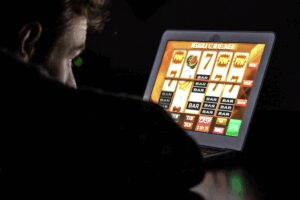
New data reveals just 12 per cent of bettors ask for help, and that systems meant to help gamblers are not being used.
South Africa.- A recent gambling trends report by InfoQuest reveals a shift in South Africa’s betting behaviour: gambling is no longer just a form of entertainment. For many, it has become a financial obligation, as routine as paying rent or buying groceries.
According to the April 2025 survey, only 12 per cent of gamblers have ever reached out for support. Just 7 per cent are currently doing so.
“Half of those surveyed said they actively budget for it [gambling],” writes Mduduzi Mbiza, founder and director of Izmu, a responsible gambling advocacy platform. His recent op-ed for Mail & Guardian peels back the layers.
He said when gamblers do seek help, it’s not professionals they turn to, it’s friends or family.
“That 8% is telling,” Mbiza notes, referring to a LinkedIn poll he conducted, where just 8 per cent of respondents believed self-exclusion tools are the best way to promote responsible gambling.
“It reflects disbelief. A lack of faith in self-control.”
Are responsible gambling tools working
The root of this scepticism runs deep. In South Africa, mental health support still carries a stigma, especially when linked to gambling. There’s a widespread belief that the available tools are ineffective, a sentiment echoed internationally.
Mbiza said this disconnect is more than just a failure of service delivery; it’s a failure of trust. The systems meant to protect gamblers aren’t being used, not because they don’t exist, but because people don’t believe they’ll work.
“Education can help, but only if it’s relevant and honest. Telling people to gamble responsibly without showing them how, or without giving them meaningful tools to do so, just sounds like lip service,” he said.
“We need more real-world conversations, more lived experience stories and more practical interventions that meet people where they are, not where we expect them to be.”