

Sibaya Casino powers ahead with giant solar plant in South Africa
Massive renewable energy project slashes energy use by 60 per cent, shining a light on sustainability in South Africa’s hospitality industry.
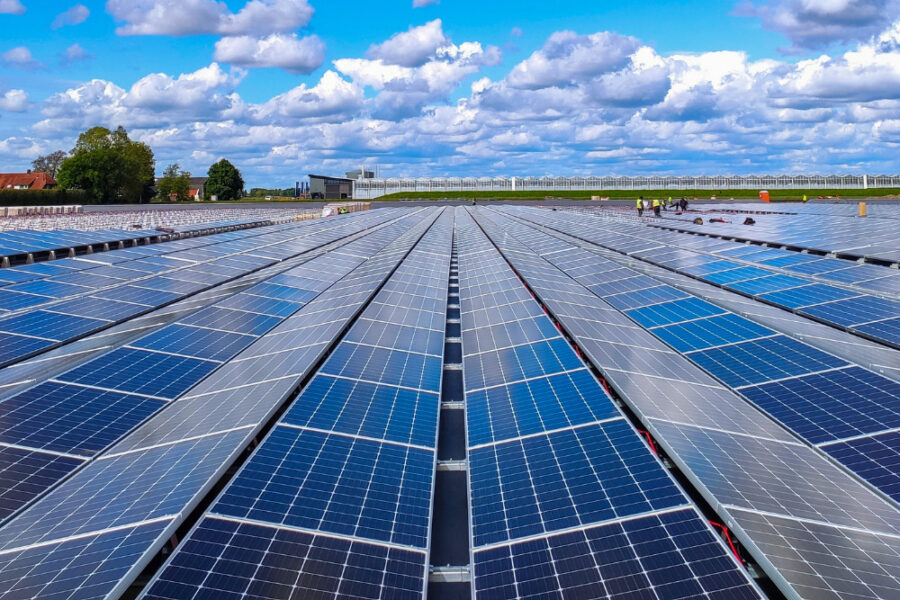
Durban, South Africa: In a bold move towards sustainability, land-based Sibaya Casino and Entertainment Kingdom has flipped the switch on a solar plant so vast it could cover four rugby fields. This has set a new gold standard for the hospitality sector in South Africa especially as the country continues to deal with power challenges.
The R54-million ($2.7m) solar installation, featuring 4,590 photovoltaic panels, now provides a staggering 60 per cent of Sibaya’s electricity needs. Generating around 3.699 GWh of clean, renewable power annually, the 2.5MW plant doesn’t just power slot machines and suites, it’s powering change.
The green energy commitment
Covering 90 per cent of the casino’s external parking lot, the solar canopy offers a dual benefit: shielding visitors’ vehicles from the KwaZulu-Natal heat while helping the entertainment complex dramatically reduce its reliance on traditional energy sources.
The investment is the largest green energy commitment to date by Sun International, Sibaya’s parent company, and reflects a growing corporate shift toward renewable energy and South Africa’s power challenges.
Speaking to the Sunday Tribune, Ravin Sahadev, Sibaya’s maintenance manager, said the goal was to move away from diesel dependency, particularly during load-shedding and manage energy more efficiently during regular operations.
“By doing this, Sibaya not only saves money but also contributes towards Sun International’s environmental strategy which aims to manage energy efficiently and cost-effectively,” he said.
The plant is projected to have a lifespan of at least 25 years. The project represents a meaningful shift in how South Africa’s leisure sector approaches the constant issue of power outages and load-shedding.
Reducing carbon footprint
Sibaya’s General Manager, Virath Gobrie, told the publication the project is about more than energy savings, it’s a statement of purpose. He explained that by reducing their carbon footprint and investing in renewable energy, the company is reinforcing its commitment to sustainability and operational efficiency while also setting an example for the industry and contributing to a greener future for South Africa.
While load-shedding is still a reality for millions across the country, Sibaya’s solar leap sends a powerful message: the future is bright, and it’s solar-powered.