

NLGRB Chair Kitariko highlights links between gaming and financial markets regulation
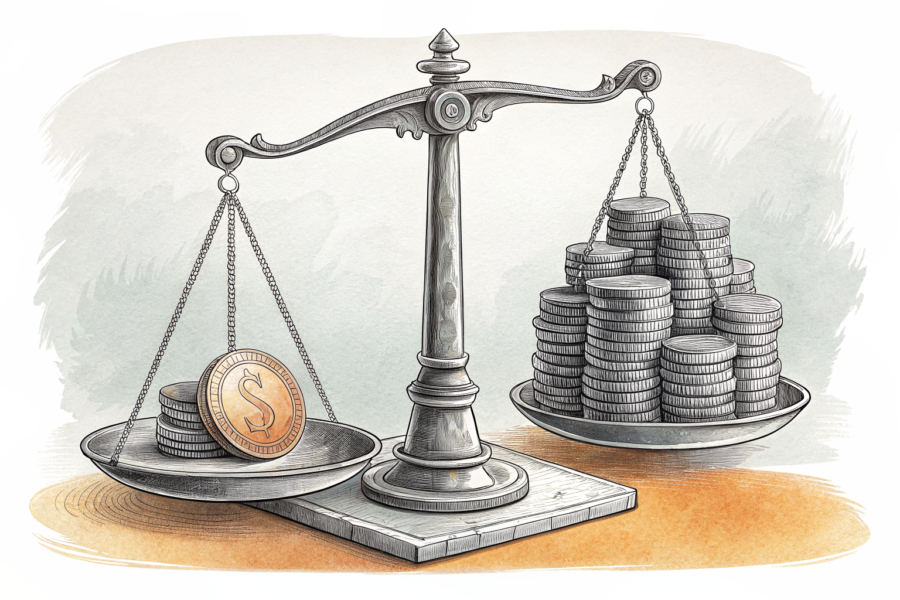
Kitariko said the two sectors share core needs for clear rules, enforcement and risk controls, even though one deals with long-term investments and the other with short-term bets.
Uganda.- The Chairman of Uganda’s National Lotteries and Gaming Regulatory Board (NLGRB), Kenneth Robert Kitariko, has called for regulators to approach gaming oversight in a manner similar to capital markets supervision.
Kitariko said the two sectors share core needs for clear rules, enforcement and risk controls, even though one deals with long-term investments and the other with short-term bets. He said: “The way we regulate gaming and the way we regulate capital markets are more closely linked than many Ugandans might assume.”
Kitariko, who took up the NLGRB post in mid-2025 after more than 25 years in East Africa’s financial services, noted that his background in capital markets helps him see the connections. He highlighted that both industries now generate multi-billion-shilling annual turnover and pay taxes that support the government and households.
By June 2025, government revenue from gaming licences had risen to UGX 323bn (€76.4m), up from UGX 50.6bn five years earlier. Total stakes placed grew to nearly UGX 8trn (€1.89bn). On the capital markets side, equity turnover on the Uganda Securities Exchange reached UGX 98.4bn (€23.3m) in 2025.
He pointed out differences in how people participate in each sector. Capital markets typically involve brokers, custodians and central depositories that create traceable records for regulators. Gaming, by contrast, allows quick bets via mobile phones and mobile money, often in seconds without intermediaries. This requires the NLGRB to rely on immediate measures such as data monitoring, on-site inspections and joint operations with the police, Uganda Revenue Authority and Uganda Communications Commission to safeguard market integrity and uphold responsible gambling standards.
Kitariko highlighted tools already in place, including the board’s central monitoring system, which provides real-time views of activity from more than 50 licensed operators across lotteries, casinos and sports betting. Operators are required to implement anti-money laundering measures similar to those used by securities firms, including customer verification and monitoring for suspicious activity.
He suggested regulators in both fields could learn from each other. Gaming’s management of many fast, small-scale transactions via telecoms may offer lessons for monitoring digital investment platforms, while capital markets’ emphasis on disclosure and governance can strengthen regulatory frameworks in gaming. Kitariko also proposed regulatory sandboxes for testing measures such as spending limits or self-exclusion systems in gaming, alongside new digital savings tools in finance, all within a supervised environment.
Kitariko concluded that Uganda can develop a gaming industry that sits alongside its capital markets as part of the formal economy, provided rules remain firm and fair. He pointed to examples such as Las Vegas, Macau, Monte Carlo, Singapore, Atlantic City and Sun City in South Africa, where gaming is integrated into public life rather than hidden.
Since Kitariko’s appointment, the NLGRB has stepped up community education on player protection and enforcement against unlicensed operators. The Chairman also attended the Gaming Regulators Africa Forum in South Africa late last year to discuss cross-border standards and technology use.