MER chief calls for flexible gambling regulation at IAGR 2026
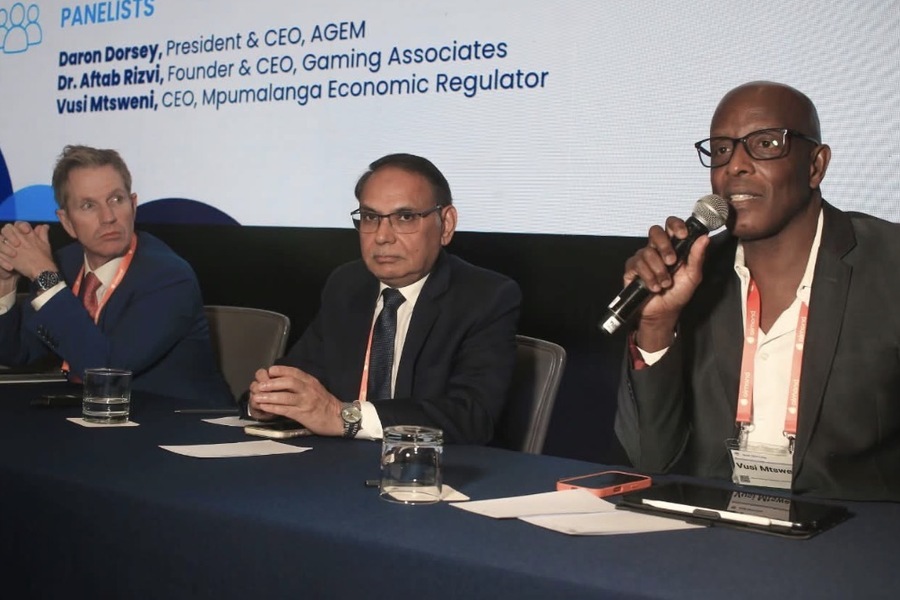

Mtsweni advocated measurable performance standards, transparent assessment criteria and greater information sharing between regulatory authorities to support oversight of new gambling products.
Key takeaways:
- MER chief executive Vusi Mtsweni urged regulators to assess products based on their underlying features and risks rather than their branding or delivery channels at the IAGR 2026 Annual Conference in Lima, Peru.
- Mtsweni called for regulatory sandboxes, independent testing and early engagement between regulators and technology providers.
- He warned that rigid approval requirements could push innovative gambling products towards unregulated markets.
South Africa.- Mpumalanga Economic Regulator (MER) chief executive Vusi Mtsweni has called for a more flexible, risk-based approach to gambling regulation, arguing that regulators must accommodate new products without weakening player protection, market integrity or financial controls.
Mtsweni made the case during a panel discussion at the International Association of Gaming Regulators (IAGR) 2026 Annual Conference in Lima, Peru, which runs from October 19 to 22. The session, titled “How Should Regulators Evaluate Products That Do Not Fit Today’s Standards?”, examined how authorities can assess products that fall outside established technical requirements.
A central issue was whether existing approval frameworks can keep pace with technological developments and new gambling business models. Mtsweni said regulators should focus on how a product works and the risks it presents rather than its branding or delivery channel. A new platform or product name does not necessarily represent a fundamental change in how gambling operates.
Products that introduce different market structures, peer-to-peer betting, new methods of determining outcomes or alternative liquidity and settlement arrangements may require closer scrutiny. Regulators must establish whether existing rules adequately address these features before deciding whether additional requirements are necessary.
Mtsweni said new gambling products must meet established requirements for legal compliance, game fairness, responsible gambling, transaction security, cybersecurity and financial accountability. Operators must also maintain accurate regulatory records and pay applicable levies. He said regulators could adapt their assessment methods to accommodate innovation without compromising these requirements.
Mtsweni urged regulators and technology providers to engage during the early stages of product development rather than wait until products are ready for approval. Early discussions can help identify regulatory requirements, avoid costly changes and shorten approval timelines. He also called for greater use of regulatory sandboxes and proof-of-concept testing to evaluate new products under controlled conditions before they enter the market.
Mtsweni cited participation in an emerging technology showcase as an example of the need for stronger engagement. Of the 255 people registered for the event, approximately 150 were regulators, while only one technology vendor proactively presented to regulatory authorities, according to the figures he shared. He argued that more structured opportunities for regulators and developers to exchange information could help close this gap.
He further emphasised the need for technical evidence when evaluating new gambling products. Suppliers should provide system architecture documentation, independent testing results, certification records and details of their risk controls. Regulators should also have appropriate access to system logs, audit trails and application programming interfaces (APIs) to assess compliance after products enter the market.
Mtsweni also raised concerns about the consequences of rigid approval requirements, which could make unregulated markets more attractive to developers of new gambling products. He called for transparent assessment criteria, risk-based approval procedures and continued monitoring after launch. Regulators should also establish measurable benchmarks, clear intervention thresholds and mechanisms for sharing findings across jurisdictions.
Frequently asked questions (FAQs)
- What did Vusi Mtsweni say about gambling regulation at IAGR 2026? Mtsweni called for flexible, risk-based regulatory approaches that allow new gambling products to enter regulated markets without compromising player protection, game fairness or financial accountability.
- Why could strict gambling approval processes be a problem? According to Mtsweni’s position, overly restrictive requirements could discourage developers from pursuing regulatory approval and push innovative products towards unregulated markets.
- How can regulators assess new gambling products before launch? Mtsweni advocated early engagement with developers, regulatory sandboxes, proof-of-concept testing and independent technical certification to assess products under controlled conditions.
- What evidence should gambling regulators require from technology providers? Providers should supply system architecture documentation, independent testing results, certification records and risk-control details. Regulators should also have appropriate access to audit trails and system logs to monitor compliance.