


Kenya Parliament backs higher fines, new sanctions in betting-linked match-fixing Bill

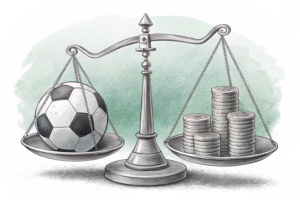
The Bill proposes new sporting sanctions and six-month investigations as Kenya moves to strengthen its fight against match-fixing.
Kenya.- Kenya’s National Assembly has passed the Sports (Amendment) Bill, 2026 at Second Reading, advancing proposed legislation that would criminalise sports manipulation. and match-fixing and introduce new sanctions for offenders.
Nominated MP Irene Mayaka introduced the Sports (Amendment) Bill, 2026, which was debated in the National Assembly on July 29, 2026. According to the Kenya National Assembly’s official Hansard, the Bill seeks to criminalise sports and match manipulation and match-fixing in Kenya.
A key betting issue raised during the debate was Section 61 of the Betting, Lotteries and Gaming Act (Cap. 131), which makes cheating in betting an offence. Mayaka described the existing six-month maximum prison term as inadequate.
She said: “Section 61 of the Betting, Lotteries and Gaming Act (Cap. 131) prohibits cheating in betting. A maximum penalty of six months is minimal.”
Mayaka also referred to the Macolin Convention, which calls for cooperation between states, sports organisations and betting operators to prevent, detect and sanction manipulation of sporting competitions. Mayaka pointed to Italy, where match-fixing is criminalised, as an example of stronger action against sports manipulation.

The debate highlighted previous match-fixing concerns in Kenya. Mayaka cited multiple attempts to manipulate Nairobi City Stars Premier League matches between 2021 and 2023, including a 2023 police operation in which three suspects were arrested after allegedly offering City Stars players money to influence a match.
The proposed legislation would give Sports Kenya powers to receive reports of suspected manipulation and investigate alleged cases in collaboration with other investigative agencies. The investigations would have to be completed within six months.
Match-fixing fines face hike
Under proposed Section 64A, a person who directly or indirectly participates in, aids, enables or assists in manipulating a sports competition would face, on conviction, imprisonment for up to one year or a fine of up to KSh1m (US$7,740).

The proposed provision differs from the existing general penalty under Section 64 of the Sports Act, which provides for a fine of up to KSh500,000 (US$3,870) or imprisonment for up to three years, or both. The Bill would therefore double the maximum fine for the proposed match-manipulation offence to KSh1m (US$7,740), but reduce the maximum prison term to one year.
The Bill also proposes sporting consequences for professional sportspersons and clubs, including match forfeiture and organisational ineligibility.
Mayaka separately said the amendments she had introduced included “match forfeiture, organisational ineligibility, lifetime prohibitions and disciplinary harmony”. The reference to lifetime prohibitions is therefore attributed to Mayaka’s description of the proposed amendments.
Betting companies featured prominently in the parliamentary debate. Deputy Leader of the Majority Party Owen Baya said market pressures associated with betting companies could influence young players to manipulate sporting events for betting gains. He said: “Sometimes market pressures, particularly with SportPesa and the many betting companies coming into the market, can easily influence young players to compromise a match or a sporting event so that someone wins large sums of money through betting.”
MP Robert Basil said the Bill would strengthen cooperation between sports organisations, betting regulators and law-enforcement agencies to investigate and prevent manipulation. He also said it proposes to prohibit betting-related corruption and allow the confiscation of proceeds obtained through match-fixing.
Basil also linked match-fixing to betting losses, saying bettors can lose money when matches are manipulated while betting companies can also suffer losses. The proposed KSh1m (US$7,740) fine also drew criticism during the debate, with MPs arguing that the amount may not be sufficiently punitive.
MPs approved the Bill at Second Reading, with the legislation then moving to the Committee of the Whole House for further consideration, according to the Hansard. The Sports (Amendment) Bill, 2026 has therefore passed Second Reading but has not yet become law.