

Inzozi Lotto’s officials open up about licence termination in Rwanda


Despite the market instability, the government still demanded full tax revenue, including a 20 per cent share of profits and an additional 15 per cent prize taxation, which added to the operator’s financial burden.
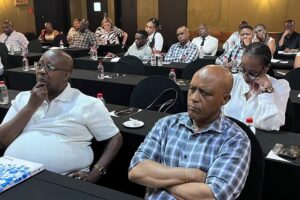
Rwanda.- Inzozi Lotto has attributed its latest setback in the Rwandan market to operational struggles caused by stiff competition, market hurdles and financial deficits. The challenges were highlighted in a press conference held by the company on October 6, 2025, to address the revocation of its national lottery licence by the Rwanda Development Board (RDB) due to breaches of contract, law and regulatory requirements.
The sudden decision effectively ceased Inzozi Lotto’s operations, which had been running since 2020 under a five-year exclusive licence granted to Carousel Ltd.
According to Patrick Kaka, Inzozi Lotto’s Head of Commerce, the company’s payments to the government since it started operating in the jurisdiction amounted to more than Rwf 600 million (€355,457). However, despite these substantial contributions, it failed to maintain profitability.
Kaka also pointed out that the exclusive licence didn’t prevent other companies from offering similar services unchallenged. He noted that some of these entities were even given approvals, creating an uneven playing field for Inzozi Lotto, which bore the responsibilities of a sole operator without the corresponding benefits. He said: “We continued operating at a loss, while the government still demanded over Rwf 680 million from us. This scenario triggered conflicts on both sides.”
Kalisa Dylain Chris, Head of Marketing and Digital Operations at Inzozi Lotto, echoed Kaka’s views, especially regarding the other competing lotteries. He noted that customers were confused due to multiple providers offering similar services. The activities of these new companies, which “enter the market every six months”, further squeezed Inzozi Lotto’s dwindling market share and revenue.
Chris said: “Their arrival discouraged us from fulfilling the financial obligations placed on us; it simply killed our confidence that the situation could improve.”
Despite the market instability, Chris said that the government still demanded full tax revenue, including a 20 per cent share of profits and additional 15 per cent prize taxation, which added to the financial burden.
The situation reached a boiling point when the company refused to pay an additional Rwf 640 million (€379,154) in revenues, due to financial constraints, a decision that ultimately led to the revocation of its licence.
Now, Inzozi Lotto claims that the news of its licence termination has caused more harm to its business, with estimated losses of Rwf 3 billion (€1.7m) as stated by Niyibiza Remmy, Carousel Ltd’s lawyer. Remmy also argued that the RDB lacked the authority to unilaterally rescind the licence, but instead should have involved the Ministry of Sports in the decision making process.
Inzozi Lotto is, however, not backing down as the company aims to regain its footing in the lottery industry by adhering to all relevant regulations. Company officials appeal to the RDB to honour the terms of their agreement with the Ministry of Sports, which grants it exclusive rights to lottery operations in the country. Kaka said: “We are urging authorities to uphold the agreements made and ensure fairness so we can regain our place in the market.”
While the company is seeking mediation, the RDB’s position and intentions to open bidding for new licences suggest that the authority is preparing for a new era in the lottery market, potentially without Inzozi Lotto.
However, with the new revelations, it may be an uphill task for the RDB to find a lottery partner who is willing to invest in Rwanda’s lottery market, given the associated risks, regulatory hurdles and potential for disputes with the government.