Responsible Gaming Foundation to equip adults on youth gambling risks
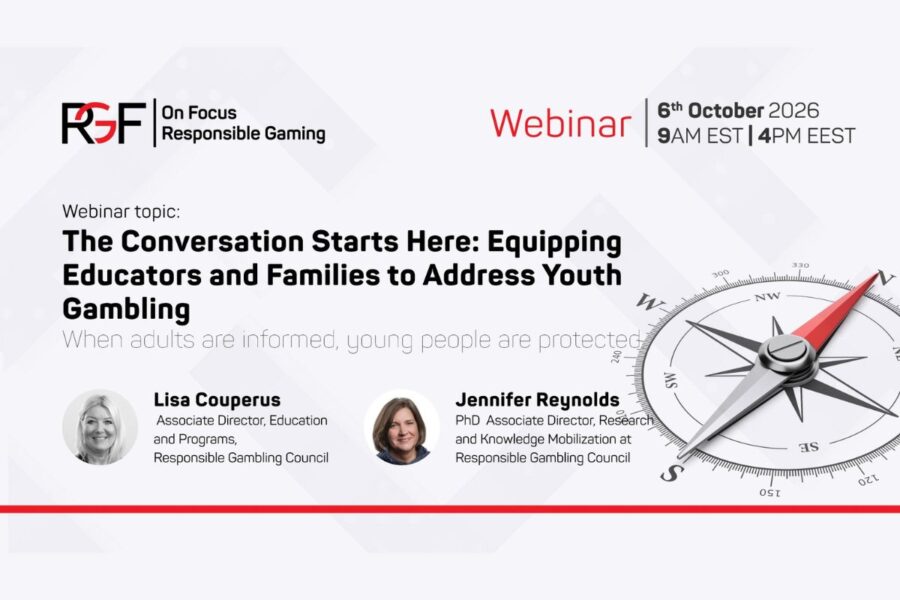
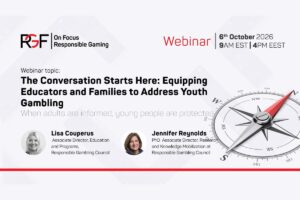
The free online session will give parents, guardians and teachers practical strategies to spot warning signs and talk to teenagers about gambling without creating barriers.
Key takeaways:
- The Responsible Gaming Foundation will host a webinar on youth gambling risks on October 6, 2026.
- The session will focus on helping parents, guardians and educators recognise warning signs and support young people.
- Warning signs highlighted include secrecy around money, mood changes, social withdrawal and declining school performance.
- Responsible Gambling Council experts Lisa Couperus and Jennifer Reynolds will present evidence-based approaches to youth gambling prevention.
- The free webinar will take place online at 16:00 EEST, with advance registration required.
Press release.- The Responsible Gaming Foundation will host an online webinar on October 6 focused on helping families and educators identify and address gambling risks among young people. The session will examine warning signs of problematic behaviour and provide practical strategies for discussing gambling with teenagers in an increasingly complex digital environment.
According to organisers, young people are growing up in an increasingly complex digital environment, where the boundaries between gaming and gambling are becoming harder to distinguish. The online webinar, titled “The Conversation Starts Here: Equipping Educators and Families to Address Youth Gambling”, is designed to support parents, guardians and educators with practical information on recognising potential risks and protecting young people.
The organisers said: “Teenagers today are exposed to gambling-related content more frequently and can encounter online gambling and sports betting platforms with increasing ease. Experts warn that problematic gambling behaviour can have a serious impact on young people’s mental wellbeing and may be linked to anxiety, depression and, in some cases, substance use. Recognising changes in behaviour at an early stage can therefore play an important role in prevention.
“Among the warning signs adults should be aware of are increased secrecy around money, sudden changes in mood, withdrawal from family and friends, and a noticeable decline in school performance.
Specialists also point out that technological controls and restrictions alone are not enough. One of the strongest forms of prevention is informed and open communication with trusted adults who understand the risks and know how to approach the topic without creating additional barriers.”
The webinar will feature Lisa Couperus, associate director, education and programmes, and Jennifer Reynolds, PhD, associate director, research and knowledge mobilisation, from the Responsible Gambling Council. Drawing on their professional experience and research, they will present practical strategies for talking to teenagers about gambling and demonstrate how evidence-based approaches can help young people develop a more responsible understanding of risk.
The webinar will take place online on October 6, 2026, at 16:00 EEST. Participation is free, and attendees can secure their place by registering in advance here.
Frequently asked questions (FAQs)
- When is the Responsible Gaming Foundation’s youth gambling webinar? The webinar will take place online on October 6, 2026, at 16:00 EEST.
- Who will speak at the youth gambling webinar? Lisa Couperus, associate director, Education and Programmes, and Jennifer Reynolds, PhD, associate director, research and knowledge mobilisation, from the Responsible Gambling Council will lead the session.
- What are the warning signs of gambling problems among young people? The article highlights increased secrecy around money, sudden mood changes, withdrawal from family and friends, and declining school performance as potential warning signs.
- What will the webinar cover? The session will provide parents, guardians and educators with practical strategies for discussing gambling with teenagers and using evidence-based approaches to help young people understand and manage gambling risks.