


Regulator calls for creation of “international investigative service” to tackle illegal gambling
The chair of the Dutch gambling regulator says international collaboration is essential to tackle the scale of illegal gambling.
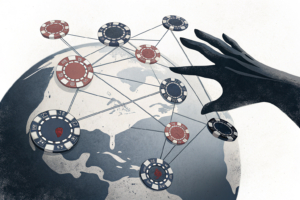
The Netherlands.- The chair of the Dutch gambling regulator Kansspelautoriteit has called for greater international cooperation to combat illegal gambling market. Michel Groothuizen argues that national regulators are increasingly outmatched by the scale and reach of a black market bigger than almost all national economies.
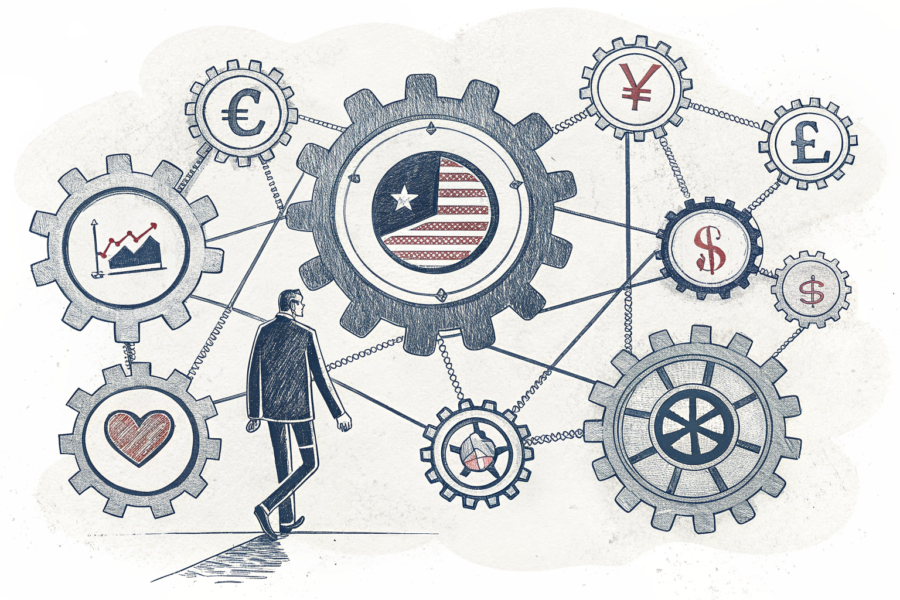
In a blog published following the Netherlands’ annual gambling committee debate, Groothuizen argued that the Netherlands and the KSA are simply too small to tackle the issue alone, saying meaningful progress will require coordinated action to address the global systems that support illegal gambling operations. He stressed that cooperation and intervention at a European level are needed to disrupt the infrastructure underpinning unlicensed businesses.
“Illegal gambling is, in fact, an unprecedentedly large and complex problem. Of every euro a Dutch person gambles away, half goes to the illegal market,” he said. “Anyone examining this industry will see that the turnover of the global illegal gambling market exceeds the GDP of any country, with the exception of the US and China. The public often holds the image of foreign companies with sound business practices that, thanks to the freedom of the internet, occasionally attract a Dutch player. We must abandon that image.
The remarks come as the Dutch government considers reforms to the Netherlands’ online gambling regulations as the market approaches its fifth anniversary. Topics discussed at the recent Gambling Committee debate included player protection measures, proposals to increase the legal gambling age to 21, advertising restrictions, and the continued growth of the black market.
Groothuizen welcomed the attention given to illegal gambling during the debate, particularly suggestions to introduce website-blocking measures and explore the use of false identities during enforcement investigations targeting unlicensed operators.
The KSA chair also pointed to the growing role of social media in promoting illegal gambling services, describing it as an additional challenge for regulators. He said the KSA is “holding the major tech companies accountable” as unlicensed gambling advertisements continue to appear across mainstream social platforms.
However, Groothuizen expressed disappointment that the international nature of the issue received limited attention during the parliamentary debate and argued that support from regulators and authorities in other jurisdictions will be essential if enforcement efforts are to become more effective.
“Inevitably, we need Europe to persuade such parties to cooperate with us in the fight against illegal gambling. In my view, it is naive to cling to the idea that a well-regulated legal national market and a national regulator are sufficient to tackle this problem. We are fighting a global network of ruthless criminal organisations with dedicated community police officers, whereas we should actually be deploying an international investigative service.”
“Real impact requires clout at the European level. That realisation does not yet seem to be widely shared in the House of Representatives,” he concluded.
From within the industry, the European Gaming and Betting Association (EGBA) has also advocated for closer cooperation between regulatory authorities and has recently stepped up efforts to improve collaboration with national and international trade bodies as part of a campaign against illegal gambling providers.