


Pennsylvania Police launch skill game reporting channel
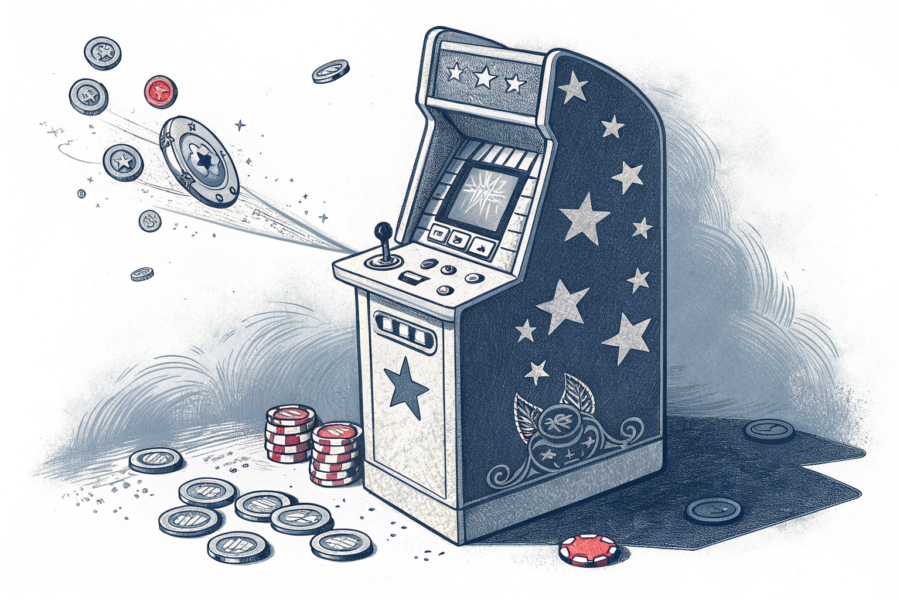
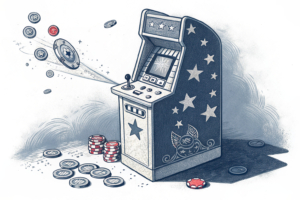
Police say switching off or unplugging a machine does not count as removal, and businesses face seizures and criminal charges.
Key Takeaways
- The Pennsylvania State Police introduced a public channel, by email or phone, to report suspected illegal skill game operations.
- Businesses that keep the machines may face criminal charges, equipment seizures and confiscation of revenue generated by the devices.
- The Pennsylvania Supreme Court ruled on June 15, 2026 that skill games are slot machines. Enforcement began on October 14.
U.S.- The Pennsylvania State Police (PSP) have introduced a public reporting channel for suspected illegal skill game operations following an October 14 enforcement deadline. Businesses that continue to keep the machines on their premises may face criminal charges, equipment seizures and the confiscation of revenue generated by the devices. Suspected violations can be reported by email or phone.
The enforcement follows a Pennsylvania Supreme Court ruling issued on June 15, 2026, which classified skill games as slot machines under state law. The court delayed implementation until October 14 to give companies time to remove the devices from the market.
Under Pennsylvania law, slot machines may only operate at licensed establishments approved by the Pennsylvania Gaming Control Board (PGCB). The restrictions apply to machines installed in businesses such as bars, restaurants, convenience stores, grocery stores and social clubs. Licensed casinos and qualifying licensed truck stops may continue to operate approved gaming machines under state regulations.
The PSP has clarified that simply switching off a machine does not meet the removal requirement. Businesses must take the devices off their premises, even if they are temporarily out of order or disconnected from power. Authorities may seize the machines and associated equipment, confiscate money generated through their operation and file criminal charges where appropriate. Establishments holding liquor licences could also face administrative proceedings, potentially resulting in fines or license suspensions.
Businesses experiencing difficulties arranging the removal of their machines have been advised to contact their equipment suppliers and distributors.
Before the restrictions took effect, an estimated 70,000 skill game machines were operating across Pennsylvania. The October 14 deadline passed without a legislative agreement to allow the machines to remain in operation under a regulated system, and although lawmakers have considered proposals to legalise and tax skill games, disagreements over licensing fees, tax rates and regulatory requirements have prevented a compromise. The Pennsylvania General Assembly’s 2026 legislative session is scheduled to end on November 30, leaving lawmakers a limited period to reach an agreement that could change the industry’s legal status.
The restrictions carry economic implications for small businesses and community organisations that rely on revenue from the machines. Potentially affected groups include American Legion and VFW posts, volunteer fire companies, emergency service organisations and fraternal clubs.
Frequently asked questions (FAQs)
- How can people report illegal skill games in Pennsylvania? The PSP created a reporting channel that accepts suspected violations by email or phone.
- Where can slot machines legally operate in Pennsylvania? Only at licensed establishments approved by the PGCB. Licensed casinos and qualifying licensed truck stops may keep approved machines.