Paddy Power co-founder Stewart Kenny blasts “familiar scaremongering” over proposed rise in Machine Games Duty
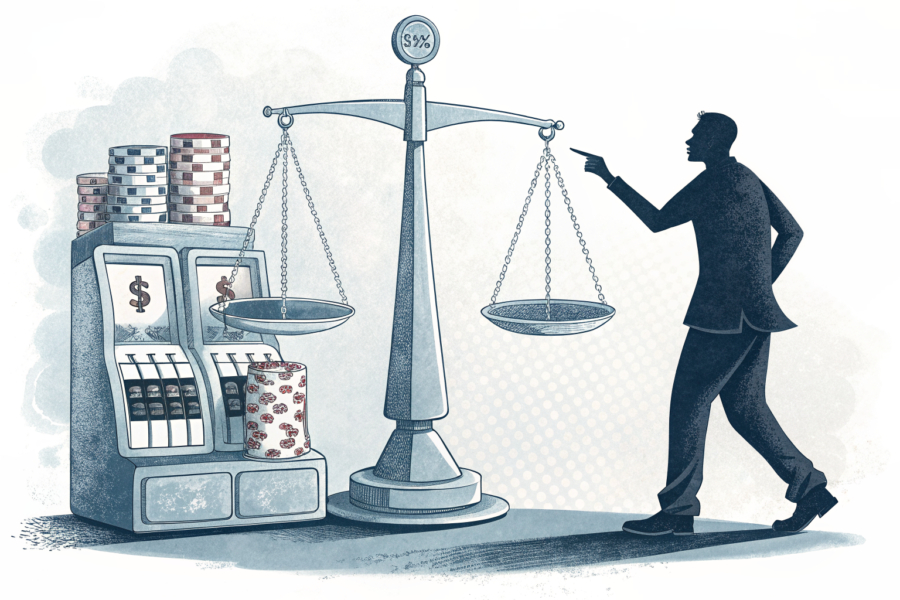
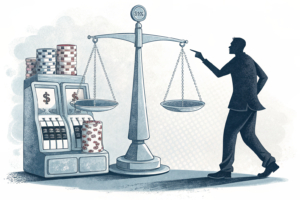
Kenny has become an advocate for higher taxes on the gambling sector, encouraging the Irish government to follow the UK’s lead with a significant hike for online casinos.
UK.- Proposed hikes in gambling taxes have exposed a distinct difference of opinion between the founders of two of the country’s biggest betting brands. Paddy Power co-founder Stewart Kenny has dismissed recent warnings from Betfred founder Fred Done about the impact of the proposed rise in Machine Games Duty in Britain, arguing that the industry has a long history of overstating the consequences of regulatory change.
The exchange comes amid debate over UK Treasury proposals that could double machine gaming duty to up to 40 per cent. Done recently warned that such a move would have severe consequences for the betting shop sector, claiming that high street bookmakers could be “dead” by 2030 if the plans go ahead.
According to Done, Betfred would be forced to close 495 betting shops, resulting in the loss of 2,575 jobs and a reduction of £67m in tax revenues, within a year. He also said the company had already responded to uncertainty by ending its decade-long sponsorship of rugby league’s Super League. He said gaming machines generate around half of Betfred’s shop profits, making additional taxation difficult to absorb and sponsorship activity “unaffordable”.
Kenny, however, rejected the claims, describing them as “familiar scaremongering”. In a letter to the Financial Times, he admitted that it was a tactic he previously used himself.
“When I represented bookmakers, I used the same script whenever tax was about to rise,” Kenny said. “We also heard it before curbs were introduced on fixed-odds betting terminals; the predicted devastation did not follow.”
The former Paddy Power chief executive, who resigned from the company’s board in 2016 and has since become one of the gambling industry’s most prominent critics, argued that policymakers should focus tax increases on products associated with higher levels of harm rather than applying blanket measures across the sector.
“A bet on a horse or football match is much less harmful than a machine designed for rapid, repetitive play, with near misses built in. High-harm machines should bear tax proportionate to that harm, discouraging operators from steering customers towards their most addictive products,” he said.
He added: “What is needed is intelligent, not blanket, taxation of betting to protect racing and other lower-harm betting products, while taxing online slots and other gaming machines more heavily. Scaremongering is no substitute for evidence.”
Call for Irish gambling tax rise
Kenny’s intervention is consistent with views he has expressed in both the UK and Ireland. He has also called on the Irish government to introduce a 40 per cent tax on online casinos, arguing that online slot machines and casino games pose a particular risk to players, especially younger men. In a letter co-signed by addiction specialists and academics, Kenny described online casino products as “the crack cocaine of gambling” and argued that international gambling operators were benefiting from what he characterised as Ireland’s relatively favourable tax environment.
According to media reports, the government is considering raising Ireland’s 2 per cent tax on gambling stakes from next year in addition to the previously announced plan to increase pool betting duty from 1 to 2 per cent. The rise would reportedly apply to both online and retail betting. The Irish Bookmakers Association has criticised the proposal.
However, the letter that Kenny signed urges Irish policymakers to follow the example of the UK, which hiked Remote Gaming Duty to 40 per cent in April. It states: “As an absolute minimum, it is necessary that the Irish Government immediately follows the example of the UK and introduces a new minimum levy of 40 per cent on gross gambling yield for online casinos.”
The signatories also argued for even higher taxes in the future, adding: “We believe in subsequent budgets the online casino taxes should be raised further to mirror taxation levels on tobacco, which are close to 80 per cent.”
Kenny and his co-signatories contended that online casino operators increasingly use sports betting as a route to move customers towards more profitable online casino and slot products. They argued that online gaming operations can generate significantly higher returns than traditional betting because they require minimal staffing and can operate continuously.
Industry representatives, however, have pushed back against the idea that machine gaming and online gambling can be considered separately from the wider betting sector. The Betting and Gaming Council said that tax or regulatory changes affecting one area of an operator’s business inevitably have wider consequences.