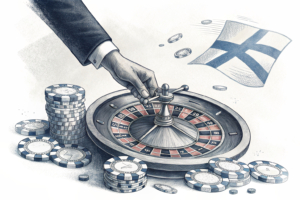
Malta to consider indirect tax on gaming


The government mentioned the possibility after presenting Malta’s 2026 budget.
Malta.- During a presentation of the 2026 budget, Malta’s government has said that it will explore the possibility of a new indirect tax on gaming and other value-adding sectors.
For the moment, taxes on Maltese operators include a direct 5 per cent Gaming Tax applied on Gaming Revenue generated from Malta-based players. Indirect taxes, or consumption taxes, include value-added tax (VAT) and excise taxes, or so-called ‘sin taxes’.
Malta’s 2026 Budget anticipates gaming tax revenue to reach €67m, up from an estimate of €65m for this year. Total tax revenue for 2026 is forecast at €7.8 billion, most from income tax (€3.5bn), social security (€1.84bn) and VAT (€1.69bn).
The government expects GDP growth of about 3 per cent next year, ahead of the EU average of 1 per cent. It’s assigned €400,000 to the Malta iGaming Incubator, €4m for esports projects and €900,000 to help Maltese businesses develop intellectual property.
The budget also includes family business support, including lower duty rates, training vouchers, and advisory grants, enterprise expenditure support with a 50 per cent reimbursement of pre-booked costs capped at €300,000, an increase in tax credits via the Micro Invest Scheme to €65,000 in Malta and €85,000 in Gozo and an investment Tax Credit of 60 per cent of the qualifying investment value over four years for machinery, IT, and cybersecurity.
Finance minister Clyde Caruana said: “This budget continues Malta’s commitment to sustainable growth by investing in innovation, technology and skills. We are building an economy that rewards enterprise and creativity from digital gaming to biotechnology while ensuring fiscal stability and competitiveness across all sectors.”
Earlier this month, the Malta Gaming Authority (MGA) announced the launch of a new online Self-Assessment Tool for players. Available in both English and Maltese, the tool is intended to help players to reflect on their gambling habits and behaviour.
The free, anonymous tool was developed in collaboration with the Maltese organisations Sedqa, Caritas Malta, the OASI Foundation, and the Responsible Gaming Foundation. It’s based on the widely recognised Problem Gambling Severity Index screening tool and uses a questionnaire comprising nine questions. The questions aim to assess the extent of an individual’s gambling behaviour while also considering broader social and environmental influences.
The MGA said the tool encourages self-reflection in an accessible way, helping players consider whether they may benefit from reaching out for professional guidance. Access is via the Player Hub on the MGA website. Should a user’s results indicate the need for further support, they will be directed to one of the participating organisations, each of which serves as a point of contact for advice and care. Information is also available on safer gambling tools, such as setting limits or using global bet-blocking tools.