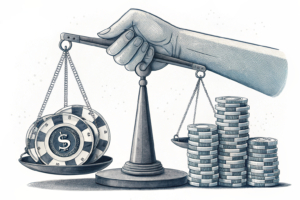



Lithuania coalition backs progressive gambling tax plan
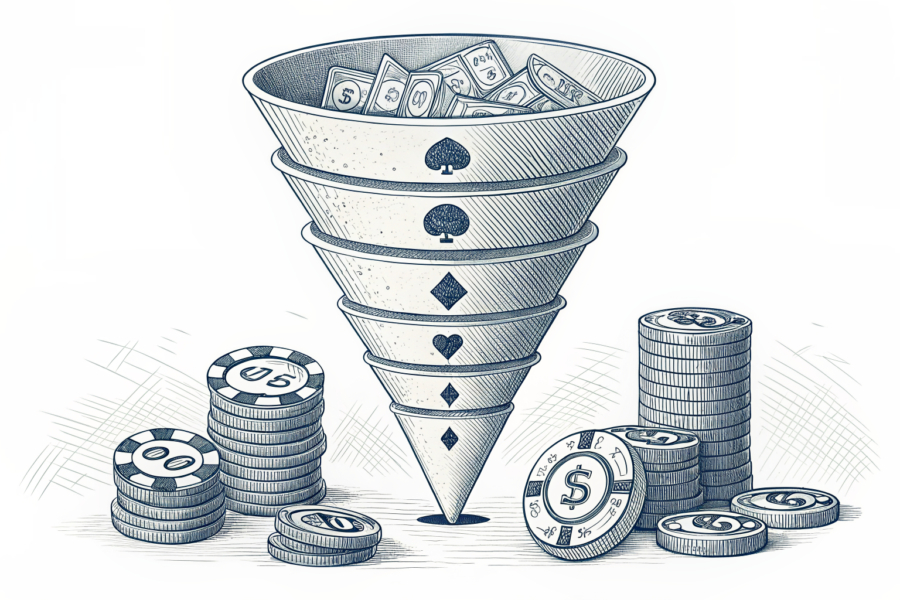
The proposal could generate up to €36m in additional annual revenue, although rates and tax bands remain undecided.
Key takeaways
- Lithuania’s governing coalition has agreed in principle to introduce a progressive tax system for gambling licences.
- Lawmakers backing the proposal estimate it could generate up to €36m in additional annual state revenue.
- The government has not yet finalised tax rates, thresholds or implementation timelines.
- The proposal forms part of wider discussions surrounding Lithuania’s 2027 state budget.
- Gambling operators are also preparing for stricter advertising, compliance and player protection requirements ahead of reforms due to take full effect in 2028.
Lithuania’s new coalition government has agreed in principle to introduce progressive taxation for gambling licences as part of its broader fiscal agenda. The proposal, supported by coalition partners in the Seimas, is expected to contribute additional revenue to the state budget, although the specific rates and thresholds have yet to be determined. The discussions come as the country continues implementing wider gambling reforms covering advertising, compliance and player protection.
Lithuania.- Parties forming Lithuania’s new coalition government have agreed in principle to introduce a progressive gambling tax system, with the stated objective of increasing revenue for public spending priorities. The proposal emerged as Mindaugas Sinkevičius of the Social Democratic Party (LSDP), who has been prime minister since July, renegotiated the terms of the governing “For Lithuania” coalition with the Democratic Union.
The coalition subsequently secured a parliamentary majority in the Seimas with support from the political bloc representing the Farmers Party, Greens and Christian Families. The Democratic Union, led by Virginijus Sinkevičius (unrelated to Mindaugas), includes minister Tomas Tomilinas, one of the leading advocates of the progressive gambling tax proposal.
According to Lithuanian news agency BNS, Tomilinas said the revenue package could generate an additional €36m for the state budget. However, the possible tax bands and rates have not been announced. “Finally, we have decided specifically on progressive taxation, specifically for gambling,” Tomilinas said after the meeting, according to BNS.
The coalition will also oversee the continued rollout of Lithuania’s wider gambling reform programme, which includes stricter compliance obligations, enhanced player protection measures and tighter advertising restrictions in a new regulatory framework scheduled to take full effect in 2028. A complete nationwide advertising ban is due to take effect on January 1. Under transitional arrangements, gambling promotions on broadcast media have been curtailed, while pop-up advertisements and direct links to betting websites have been prohibited.
The Gaming Control Authority has also been granted expanded supervisory powers, including the ability to impose fines of up to €700,000 for serious breaches of gambling regulations. Banks are required to block payments to blacklisted gambling websites within 24 hours of receiving an instruction. Additional player protection measures are being introduced, including technological monitoring of customer behaviour, deposit controls and enhanced staff training aimed at identifying and assisting individuals at risk of gambling-related harm.
Mandatory player cards for most gambling in Lithuania will be phased in through 2027 and 2028, with full implementation expected by January 1 2029.