


Julia Schagerl, Greentube: “Cultural relevance is always an important consideration when developing localised content”


Julia Schagerl, Regional Manager at Greentube, discusses the inspiration behind the new Brazil-focused slot, LuckyCapi.
Interview.- Brazil’s rapidly evolving regulated igaming market is giving suppliers a clearer picture of what local players actually want, and for Greentube, that insight has helped shape a game built specifically for the market rather than adapted to it.
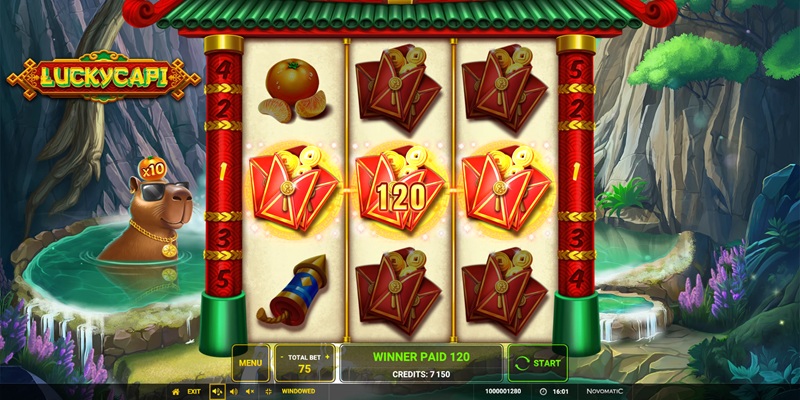
LuckyCapi brings together two seemingly contrasting influences: the capybara, one of Brazil’s most recognisable cultural symbols, and the Chinese-inspired visual style that has proved popular with local players. The result is a light-hearted, character-driven slot that deliberately embraces simple mechanics and intuitive gameplay, reflecting Greentube’s observations of player behaviour since Brazil’s regulated market came into effect.
In this interview, Julia Schagerl, regional manager at Greentube, explains the thinking behind LuckyCapi and why localisation has become increasingly important in LatAm. She discusses how player data influenced the game’s design, the cultural relevance of its capybara protagonist and the promotional strategy behind its launch, including an exclusive early-access period with a key local operator.
LuckyCapi blends a very Brazilian mascot with a strong Chinese aesthetic. What was the thinking behind the fusion?
We wanted to combine two themes that have consistently resonated with players in the region. The capybara is an instantly recognisable and much-loved cultural icon in Brazil, making it a natural choice for a mascot that players can immediately connect with. At the same time, Chinese-inspired aesthetics have proven to be highly popular across the market, with many successful titles demonstrating their appeal. Bringing these two elements together allowed us to create a game that feels both familiar and highly engaging for our target audience.
Some suppliers avoid region-specific games, arguing titles should be built to appeal globally. LuckyCapi takes the opposite approach. What’s the thinking behind that?
We’ve seen localised content perform exceptionally well across Latin America, particularly in Brazil. While globally appealing games absolutely have their place and remain an important part of our portfolio, we also recognise that individual markets have distinct preferences in terms of themes, visuals and gameplay mechanics. LuckyCapi was designed specifically with Brazilian players in mind, enabling us to deliver an experience that reflects local tastes while addressing the needs of a significant and rapidly growing player base.
The game embraces a classic, simpler slot style. Was this always the intention, and how does this reflect local player preferences?
From the start of the process, we knew that a straightforward gameplay experience would be the right fit for this title. Since the regulation of the Brazilian market, we’ve closely monitored player behaviour and identified a clear preference for classic slot mechanics and intuitive gameplay. These insights shaped the game’s development from day one, making the simpler format a deliberate and fundamental design choice.
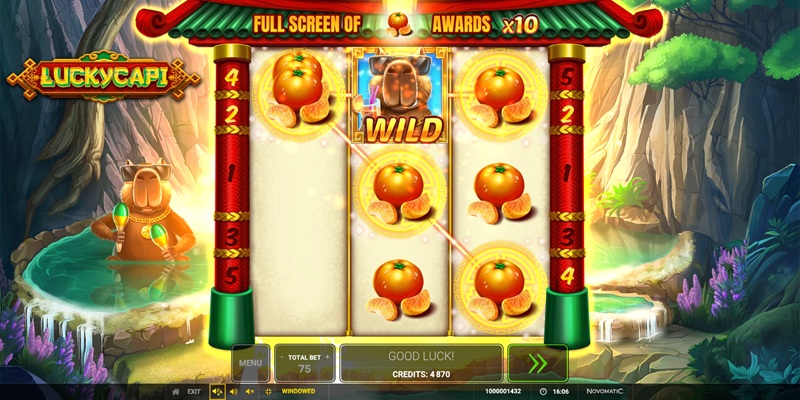
Capybaras have been a genuine internet phenomenon in recent years. How much did that cultural moment influence the decision to build a title around Lucky as a character?
Cultural relevance is always an important consideration when developing localised content, and the capybara was a natural fit. Beyond its popularity online, it is a widely recognised and positively perceived symbol in Brazil, making it an ideal character to build a game around. Its growing global profile certainly reinforced the decision, but the primary motivation was its strong cultural connection with the audience we wanted to reach.
Given the game’s tailored nature, how has the rollout differed from regular releases? Are there any specific promotional support for operators with LuckyCapi?
LuckyCapi’s launch has been supported by a comprehensive promotional campaign, including prominent positioning, promotional and streamer campaigns across key channels to maximise visibility. We also partnered with one of our strongest local operator partners to offer players exclusive early access ahead of the wider global release. This approach helped build anticipation within the market while giving operators additional opportunities to engage players around the launch.
Lucky has a distinct, light-hearted, visual identity. Is he a standalone character, or could we see him return in future Greentube titles for Brazil, or perhaps even further afield?
Like any character or game we create for a specific market, there’s always clear thinking in the development process to tap into relevant cultural trends and popular themes. We also monitor game performance closely and gather feedback from all available sources. If any element of the game proves overwhelmingly popular and begins to cross borders into the wider industry, then of course we’ll have a decision to make about taking it outside the initial market. And again, like all our games, if performance is strong and players form a real bond with the character, we’ll absolutely consider it for further appearances across sequels and other titles.
By Focus Gaming News Editorial Team