Irish Labour Party leader supports proposal for ban on gambling ads
Ivana Bacik says Ireland should follow other countries in Europe that have banned gambling ads.
Ireland.- Ivana Bacik, leader of the Irish Labour Party, has outlined support for a proposal to ban all gambling advertisements in the Republic. Speaking to Irish newspaper the Sunday Independent, Bacik confirmed that the fourth-largest party in Dáil Éireann is in favour of imposing a ban like those seen in the Netherlands, Belgium, Spain and Italy.
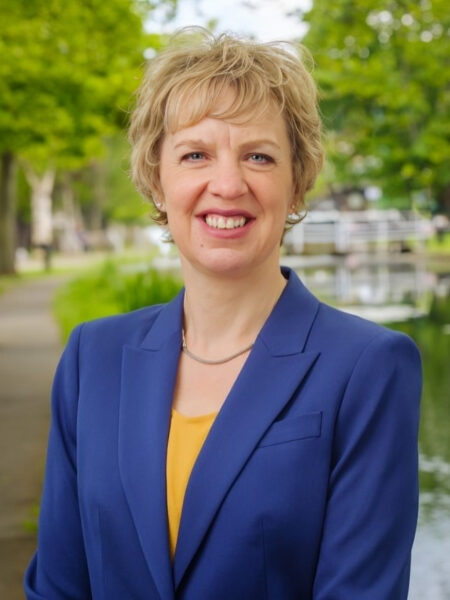
“In recognition of the harm caused by advertising to those at risk of gambling addiction, other countries have introduced bans on all gambling ads. Ireland should follow suit,” she said
She added: “We know that gambling companies prey on the vulnerabilities of problem gamblers. It is deeply concerning to see companies targeting people with addiction issues. Labour’s senator Mark Wall has called for a ban on all gambling ads, to stamp out this behaviour. We have a serious issue with gambling in this country, and it must be addressed.”
Bacik’s comments were reportedly prompted by a BoyleSports retail promotion in Dublin that highlighted cash deposits and withdrawals without requiring a bank account. The operator has stressed compliance with regulatory standards, including its use of verification for the opening of online accounts.
Some lawmakers have criticised the decision not to include a ban on gambling ads in the Irish Gambling Regulation Act, which was enacted a year ago. However, the legislation does include significant limitations, including a watershed ban on broadcast ads between 5.30am and 9.00pm.
The legislation also established the new Gambling Regulatory Authority of Ireland (GRAI), which is currently preparing for the launch of a new licensing regime for online gambling in Ireland in 2026.
In October, the GRAI published its Statement of Strategy for 2025 to 2027, setting out its strategic priorities over the next three years. The document outlines a plan for the regulator to become self-financing within two years through fees charged to the game sector.