“By 2030 we will have no betting shops; the high street will be dead,” warns Betfred founder
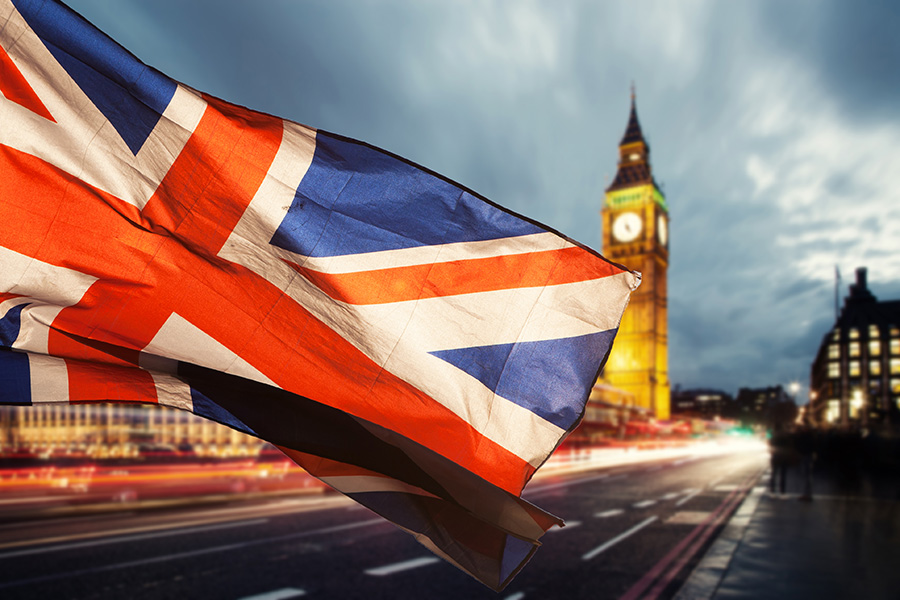
Fred Done warns that the proposed rise in Machine Game Duty could finish off the high street betting sector.
Key takeaways:
- Betfred founder Fred Done warns tax hikes could wipe out betting shops by 2030.
- Doubling Machine Gaming Duty from 20 per cent to 40 per cent could close 495 Betfred shops in the first year, he says.
- That would cost 2,575 jobs and £67m in lost tax revenue.
- Treasury is reviewing gambling taxes ahead of the 28 October Autumn Budget
UK.- Fred Done, the 83‑year‑old founder of Betfred, has claimed that further tax hikes, such as the proposed rise in Machine Game Duty, could spell the end of high-street betting shops in the UK. Speaking to the Financial Times, he cautioned that higher duties would force more betting shop closures, damage related sectors such as horse racing and accelerate the decline of the high street.
Betfred operated around 1,200 locations in the UK, but it announced the closure of 132 betting shops in August, long before the rise in machine game duty seemed like a definite prospect. In the latest interview, Done said the company would shut another 495 outlets within a year if Machine Gaming Duty were doubled from 20 per cent to 40 per cent, reportedly under consideration by Chancellor John Healey.
“I believe that by 2030 we will have no betting shops. The high street will be dead. We’ve already worked it out that with the increases in taxes and salaries and other wages it won’t be worth operating,” he said.
Done acknowledged the industry’s profitability, with British gross gambling yield reaching £17.5bn in 2025/26, but urged ministers to consider the consequences of further hikes. He predicted that closures on such a scale would cost 2,575 jobs and strip £67m in tax revenue from the Treasury. He also pushed back against claims from Dame Meg Hillier, chair of the Treasury Select Committee, who has described industry warnings as “scaremongering”.
Done stressed that fixed‑odds betting terminals remain vital to Betfred’s retail business, accounting for half of shop profits despite the £2 stake limit introduced in 2019. Without them, he said, retail betting was “impossible”. He also noted that the company’s sponsorship of Britain’s five classic horse races, including the Epsom Derby, was under review due to fiscal uncertainty. Betfred has already withdrawn from rugby league sponsorship, citing government policy as a factor.
“They keep saying those with the broadest shoulders should be paying more tax. Well, how broad do my shoulders have to be? We paid £400m in taxes as a family last year.” He also said his children might consider relocating to jurisdictions with lighter tax regimes.
Betfred has made such drastic predictions before. A year ago, its CEO said that Betfred’s entire retail business was on the line ahead of the government’s announcement of the Autumn Budget, which included a rise in Remote Gaming Duty to 40 per cent from April 2026 and a rise in General Betting Duty for online bets except on horseracing from April 2027.
The UK retail betting sector has been on the wane for several years due to the shift to online betting. Flutter recently announced plans to close up to 100 more Paddy Power shops in the UK and Ireland by the end of the year, with 400 jobs at risk. In March, Evoke revealed plans to close up to 200 William Hill betting shops, with reports suggesting up to 1,500 employees could be affected.
Chancellor Healey will deliver the Autumn Budget on October 28. The Treasury is exploring ways to raise revenue without increasing headline rates of income tax, National Insurance or VAT, with gambling duties seen as a potential lever.
What tax increase is being considered for UK betting shops? The government is reviewing a proposal to double Machine Gaming Duty from 20 per cent to 40 per cent.
How would the tax rise affect Betfred? Fred Done says it would force the closure of 495 shops, leading to 2,575 job losses and £67m in lost tax revenue.
When will the UK government decide on gambling tax changes? The Autumn Budget is scheduled for October 28.