Eureka in iGaming: How Zoomboy by 7777 gaming proves the power of a wild idea
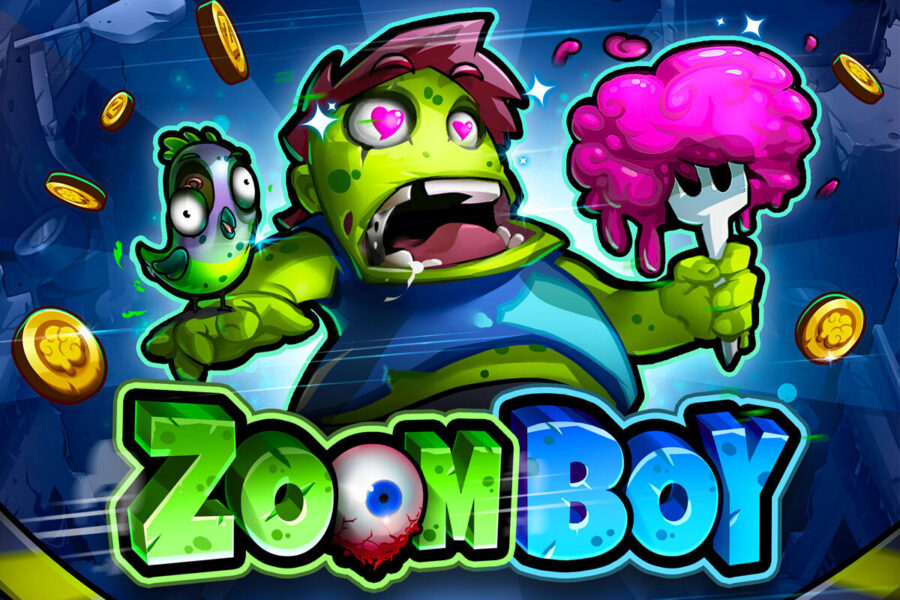
In iGaming, wild ideas often stay locked in notebooks, buried under KPIs and release calendars. But sometimes, the right team, the right spark, and the right moment turn one of those ideas into something more — a game that doesn’t just perform, but resonates.
Opinion.- Zoomboy began with a single word. “Zombies.” And from that playful prompt came an eruption of late-night sketching, frantic flowcharts, and what the team calls their “Eureka moment” — the point where a creative vision snapped into place. Not just a theme, but a world.
Cinematics before spins: Storytelling as first impression
Zoomboy doesn’t greet players with a paytable. It tells them a story.
Before the first click, a cinematic intro sets the tone — a narrative hook that draws the player into the undead world with just enough humor, chaos, and heart to feel real. This isn’t common in iGaming, and that’s exactly the point. It borrows techniques from the PC and console world: create emotional investment early, then deepen it with gameplay.
It’s not an accessory. It’s a design philosophy.
Building emotion into mechanics
Zoomboy might look playful on the surface, but beneath the quirky aesthetic lies a deeply considered game structure. Every element — from the shifting grid dynamics to the pacing of wins — has been designed to maintain fluid, engaging momentum. At the center of it all is the game’s signature feature: the zombie moving wild. More than just a visual hook, this dynamic symbol acts as a constant disruptor and driver of action, weaving through the grid and adding unpredictability without breaking the flow. It’s a small detail with a big impact — combining fun, function, and forward motion in a single mechanic.
Instead of adding features just for the sake of it, everything in Zoomboy serves a purpose within the narrative. The trash can drops brains across the grid, creating new targets for the zombie. The “Tasty Brain” mechanic then pulls him toward those targets, shifting the gameplay dynamically and triggering fresh outcomes. These aren’t isolated gimmicks — they’re part of a living system that keeps players curious, reactive, and emotionally involved. And it’s exactly this kind of cohesion — between theme, mechanics, and pacing — that lays the groundwork for strong long-term retention. The more players engage, the more they uncover, and the more reasons they have to come back.
On the technical side, none of this was standard. With no ready-made solution, the team had to build most of the backend from scratch — solving complex interactions, creating new logic systems, and making sure everything runs seamlessly. The result? A game that feels just as polished under the hood as it looks on screen.
The growing Multiverse of 7777 gaming
Zoomboy isn’t just a one-off hit — it’s part of something much bigger.
At 7777 gaming, the team is slowly and cleverly building a connected universe of games. Each new release includes small nods to others — shared symbols, hidden Easter eggs, familiar characters popping up where you least expect them. It’s the kind of detail that makes players smile and feel like they’re in on a secret.
This isn’t just a design trick. It’s a way to tell stories over time — to reward curious players who notice patterns and connections. Instead of starting from scratch with every game, the studio is building a world where everything feels part of the same living story.
You could call it the 7777 Multiverse — a place where the fun goes deeper the more you play.
Culture first. Product follows
Zoomboy wouldn’t exist without the creative culture behind it — a place where ideas can come from anywhere. Sometimes it starts with a quick joke, a sketch, or even just one word. And if it sparks something exciting, the whole team is ready to dive in.
The “Eureka” moment that led to Zoomboy wasn’t just luck. It happened because the team is closely connected, open to new ideas, and given the freedom to experiment. Everyone’s encouraged to bring their voice to the table.
That’s what really powers projects like this — a mix of fun and focus, creativity and structure, where bold ideas are not only welcome, but expected.
A glimpse of what’s next
Zoomboy is fun. It’s bold. It’s full of smart ideas. But most of all — it points to what’s possible.
When storytelling, design, player psychology, and smart development all come together, something special happens: the game doesn’t just work — it comes alive. In a space filled with lookalike slots, Zoomboy shows that there’s still room for fresh ideas and creative energy.
It’s not just a game. It’s a statement. And we are only getting started.
By Focus Gaming News Editorial Team