


Estonia to consider non-voluntary gambling exclusion measures
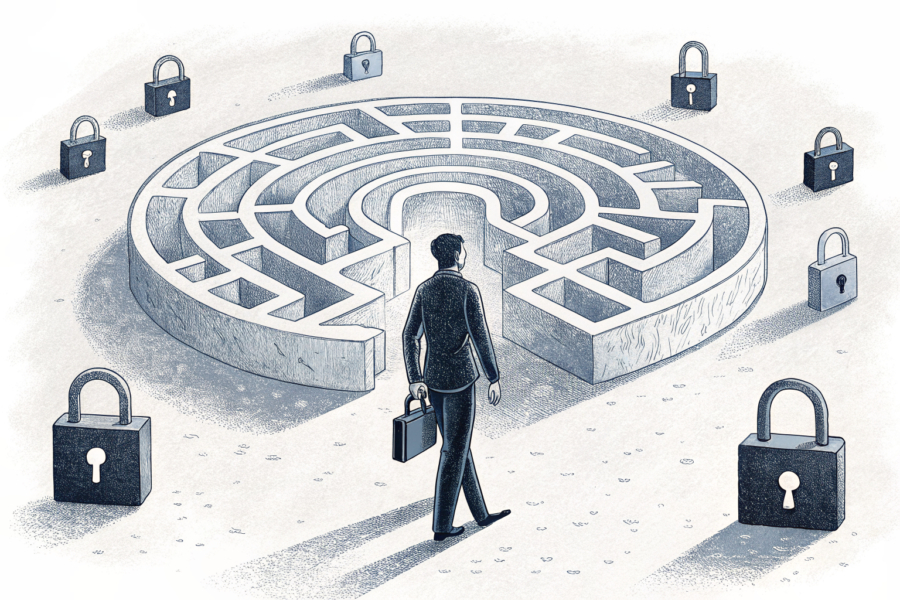
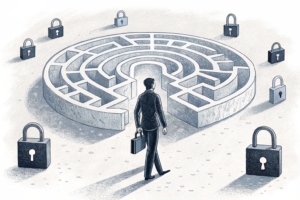
The government intends to review Estonia’s Gambling Act next year to change self-exclusion rules.
Estonia.- The Ministry of Finance of Estonia has reportedly confirmed plans to review the country’s Gambling Act next year to update the rules on how Estonia’s gambling exclusion list is compiled. It intends to make it possible for third-parties to place people on the list in certain cases, with changes expected to take effect by mid-2027.
People currently join Estonia’s gambling self-exclusion list voluntarily through a written application. They must specify a period of exclusion between six months and three years. The government is expected to evaluate ways to make it easier for people to join but also for others to add them to the list against their volition.
The Ministry of Finance argues that people with gambling addiction often resist self-exclusion and should therefore have the matter taken out of their hands in severe situations.
“No one else can currently add them to the list, but family members of a gambling addict often suffer,” said Rainer Osanik, head of the financial information policy at the ministry, as quoted by the state broadcaster ERR. “The system should allow a person to be added to the list on certain additional grounds, either at the initiative of a family member or by court order. Estonian law does not currently allow this. We will now begin analysing how this could be done.”
Under the Gambling Act, operators must ensure restricted individuals cannot access the types of gaming that they have blocked. If a person is on the list and they are still allowed to play, the operator must refund any money the person lost, while the player must return any winnings. Osanik said gambling operators have generally been diligent in complying with the rule.
ERR reports that the number of people placing themselves on Estonia’s gambling self-exclusion list continues to rise steadily, climbing from 17,203 people in 2023 to around 21,000 today. The current breakdown reveals that there are 20,628 active restrictions pertaining to games of chance, 9,767 restrictions related to sports betting and 5,968 restrictions for lottery products. The number of sports betting restrictions has risen by 348 since January amid the World Cup period.
Jekaterina Nikitina, head of the excise department at the Tax and Customs Board, said: “In our view, the fact that the number of people who have set restrictions for themselves has increased over the years shows that people are increasingly aware of the player protection mechanisms we have. These mechanisms work very well; otherwise, players would not use them.”
Estonia collected €61m in gambling taxes last year, underscoring the economic significance of the sector. The government has introduced a phased reduction of the remote gaming tax rate in Estonia from 6 per cent to 4 per cent from 2029, cutting the rate by half a percentage point each year, in a bid to attract more operators and turn the country into a hub for igaming to compete with the likes of Malta.