


Dutch gambling regulator: still room for improvement on match-fixing risk analyses
The KSA has published its conclusion from its latest probe following reports of possible match fixing.
The Netherlands.- The Dutch gambling regulator Kansspelautoriteit (KSA) has reported its findings following an analysis of operators’ risk analyses. It conducted a probe following reports of possible match fixing to the Sports Betting Intelligence Unit (SBIU).
Following the alerts, the KSA examined the implementation of the identification, analysis and evaluation of risks to the integrity of the relevant matches at four providers. It noted that operators have an obligation to identify and mitigate match-fixing risks and that risk analyses should show whether they are adequately assessing, assessing, and ultimately mitigating the risks.
The regulator was generally positive about the implementation of the providers’ risk analyses, noting improvements from a year prior. However, it said there is still room for improvement in areas such as the specification of certain risks, the measures taken, and the implementation of the reporting obligation.
New KSA licences
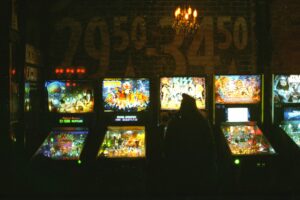
Meanwhile, the KSA has announced plans to offer the option of applying for a new category of gaming licence. It will start to offer designated skill-based machine licences in the Netherlands.
At the moment, there is only one type of operating licence for gaming machines, which applies to both gaming machines in halls and catering establishments and skill machines. The new licences will be limited to the operation of skill-based machines only, rather than slot machines based on random number generators or other products where the outcome is based on luck.
In other news, the regulator has confirmed that it will grant a partial tax refund to land-based gambling operators who were affected by Covid-19 lockdowns. The move comes after the Council of State ruled that the regulator was not permitted to impose a gambling tax on a gaming machine operator for a period in 2020 when it was forced to close due to the coronavirus pandemic.