


Concerns raised about potential links between medication and gambling


A report has linked dopamine agonists with an increase in gambling.
UK.- A BBC report has raised concerns about a possible link between gambling addiction and the use of a certain type of medication. The Global Story examined a little-known potential impact of dopamine agonists, a class of drugs designed to mimic dopamine and stimulate its receptors in the brain, used to treat Parkinson’s disease and depression.
BBC correspondent Noel Titheradge has spent years looking into the unintended consequences of these medications. One of the first cases he encountered involved a French man who sued a pharmaceutical company, claiming he had not been warned about the dangers of the drug he was prescribed. According to Titheradge, the man developed hypersexuality that destroyed his relationship, alongside compulsive gambling that cost him vast sums of money.
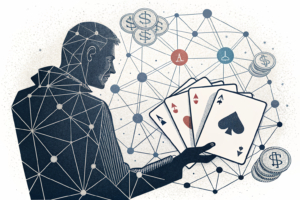
Titheradge went on to speak with around 350 people who reported such side effects. He highlighted the experience of Sharlene, a 52‑year‑old woman from Massachusetts, who began taking dopamine agonists for depression in 2016. She went on to experience reckless driving, excessive spending, and eventually shoplifting.
The report noted that dopamine agonists were once hailed as a breakthrough for Parkinson’s patients because they avoided the drawbacks of older treatments. But by the early 2000s, studies revealed that as many as one in six patients experienced serious side effects, with some academics suggesting the figure could be closer to one in three.
The drugs remain widely used because they can dramatically improve quality of life for Parkinson’s sufferers. Leaflets now include warnings, but many patients claim these are downplayed by doctors. This has led to negligence lawsuits, though pharmaceutical companies insist the risks are clearly communicated.