


Calls for tougher protections to prevent minors’ exposure to gambling in Greece
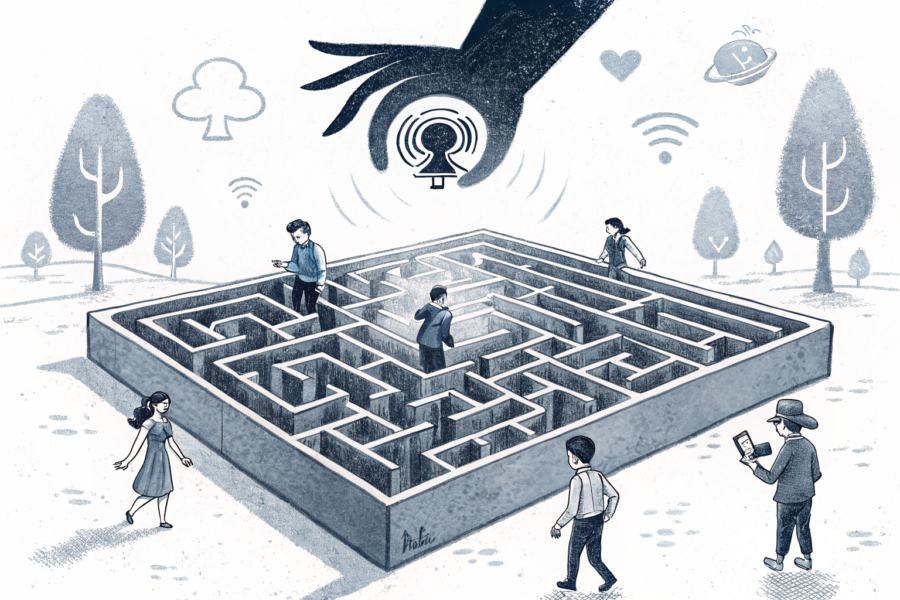
A report warns that Greece has high rates of gambling participation among minors.
Greece.- The Hellenic National Committee on Bioethics and Technoethics has called on the Greek government to strengthen protections against underage exposure to gambling. It noted recent findings that suggest that gambling among minors is increasing.
The committee warned that the rapid growth of online betting and igaming platforms poses heightened risks for adolescents, emphasising that young people are particularly susceptible due to their constant use of digital communication tools and shared gaming environments. It noted that online betting can resemble multiplayer video games, making gambling services more accessible to teenagers.
The report also touched on the issue of gambling advertising, especially during sports broadcasts, across digital media, and through sponsorships involving athletes and teams. Such marketing, it argued, reinforces the connection between professional sports and betting.
According to the committee, mobile and online platforms have made gambling available “from anywhere” via smartphones and computers, including through unlicensed providers. Data from the National Organisation for the Prevention and Treatment of Addictions underscores the scale of the issue: between 2022 and 2025, the number of 18–25-year-olds seeking treatment for gambling disorders “almost quadrupled.”
Greece also ranks among the European countries with the highest rates of gambling participation and excessive gambling among 16-year-olds, the committee said.
Recommendations to reduce minors’ exposure to gambling
The report recommends reducing gambling advertising during times likely to have large teenage audiences, including limits on radio and television broadcast scheduling and regulations for the frequency and content of online gambling ads.
It also suggests that the Hellenic Gaming Commission should oversee an industry-led self-regulatory framework to reinforce advertising standards. Meanwhile, it proposes integrating user verification for gambling with the government’s secure identification infrastructure in order to prevent minors from creating accounts on betting sites. It encourages the Ministry of Finance to limit the use of anonymous prepaid cards.
The minimum age for gambling in Greece is 21. Last month, Finance Minister Kyriakos Pierrakakis unveiled a bill designed to crack down on illegal gambling in Greece. The proposed legislation introduces stricter measures, including prison terms and the possibility of shutting down businesses involved in such activities.
Developed in collaboration with the Hellenic Gaming Commission (EEEP), the bill would empower municipalities to impose both immediate and long-term closures on venues found hosting illegal gambling, as well as revoke their operating licences. Meanwhile, internet cafés, which authorities frequently associate with unlicensed gambling, would face stricter licensing requirements.
As forecast previously, the Greek bill against illegal gambling states that operating gaming without authorisation would carry a minimum prison sentence of three years plus financial penalties. Offenders could face up to ten years in prison and fines between €50,000 and €100,000.
Individuals caught playing unlicensed gambling games would risk up to two years in prison and a fine. Repeat offenders would face at least two years behind bars and fines ranging from €5,000 to €20,000. Anyone who interferes with regulatory checks could be sentenced to at least three years in prison.