


Brazilian betting sector generates €1.4bn in half-year tax revenue
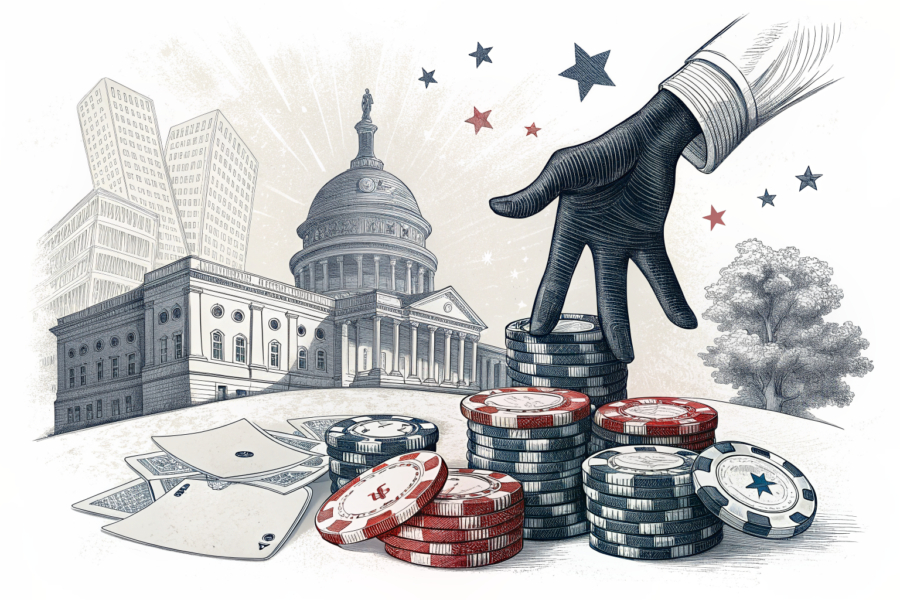
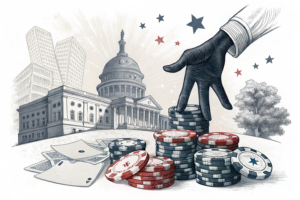
A sharp rise in the betting tax haul shows the sector’s important contribution to state revenue in Brazil.
Brazil.- The nascent regulated Brazilian betting industry is facing mounting political hostility, with President Luiz Inácio Lula da Silva calling for a ban on online casino gambling and an opposition Liberal Party deputy now even proposing to prohibit sports betting in Brazil. However, the latest tax figures indicate the importance of the sector’s contributions to the state.
Figures from the Federal Revenue Service show that licensed online betting and gaming companies in Brazil paid R$8.7bn (€1.4bn) in taxes between January and June 30 2026. This marks a 76.86 per cent increase compared to the same period in 2025, the first six months of Brazil’s regulated market following its launch on January 1 2025. In that initial six‑month stretch, operators contributed R$4.9bn, while the total tax intake for 2025 reached R$9.95bn under the 12 per cent levy on gross gaming revenue.
The market’s rapid expansion has been striking. At launch, 63 licensed firms, both domestic and international, entered Brazil, and the country now ranks as the fourth largest betting market globally in terms of online traffic, according to Blask.
Such growth has inevitably drawn political scrutiny. As well as calls for changes in legislation, advertising restrictions are already being tightened. Flavio Bolsonaro, leader of the Liberal Party and son of former president Jair Bolsonaro, is reportedly considering whether to propose a betting ban or severe restrictions in his manifesto for the upcoming elections in October.
Despite the political pressure, the government’s fiscal needs are clear. Major projects, including a multi‑billion reais housing reform plan, require substantial funding. This has prompted the administration to accelerate tax increases on betting, with the rate set to rise to 15 per cent next year and 18 per cent by 2028. Without a regulated betting industry, the government risks losing billions in revenue. Whichever administration takes office after October will face the challenge of balancing public concern and opposition with fiscal necessity.
By Focus Gaming News Editorial Team