


South Australia poker machine revenue hits US$700m

Gaming tax generated US$346m for the state government, while the number of operating machines rose to 11,810 across 461 venues.
Key takeaways:
- South Australia’s poker machine revenue reached a record AU$1.079bn (US$700m) in the past financial year.
- Gaming machine expenditure totalled AU$286.3m (US$200m) between July and September, the highest quarterly figure recorded in the state.
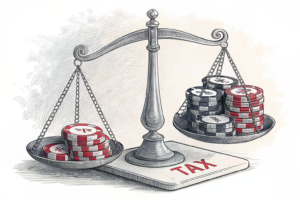
- The state government collected AU$494.37m (US$346m) in gaming tax, while licensed venue operators retained AU$585.23m (US$410m).
- The number of operating poker machines increased to 11,810 across 461 venues, excluding Adelaide Casino, compared with 11,735 at the end of the previous financial year.
- The government highlighted harm minimisation measures including mandatory facial recognition, automated session risk monitoring and a permanent quick-barring system using QR codes.
Australia.- South Australian revenue from gaming machines has surpassed the AU$1bn (US$700m) mark for the second consecutive year, reaching a record AU$1.079bn (US$756m) in the past financial year. According to data from Consumer and Business Services, revenue was AU$71m (US$49.7m) higher than the previous year. During the July to September quarter alone, expenditure on gaming machines reached AU$286.3m (US$200m), making it the highest quarterly total on record.
Out of the annual revenue generated, the state government collected AU$494.37m (US$346m) in gaming tax, while licensed venue operators retained AU$585.23m (US$410m). At the local government level, the City of Salisbury recorded the highest machine revenue at over AU$109m (US$76m), followed by Port Adelaide Enfield at AU$106m (US$74m). Playford Council reported the highest average revenue per venue, averaging AU$6.1m (US$4.2m) across 10 operating locations.
The number of operating machines across the state rose slightly from 11,735 at the end of the previous financial year to 11,810 across 461 venues, excluding the Adelaide Casino. A spokesperson reiterated the state government’s commitment to reducing machine numbers over time, noting that the number of active machines remains well below the state’s statutory cap.
The government also highlighted recently implemented harm minimisation measures, such as mandatory facial recognition technology, automated session risk monitoring, and a permanent quick-barring system via QR codes.