


NSW greyhound industry to enter next phase of optimisation
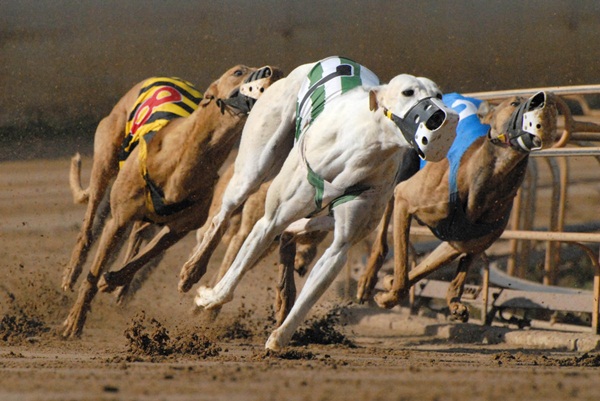

Deloitte Australia recommended cutting the number of racetracks in New South Wales.
Australia.- Greyhound Racing NSW (GRNSW) has confirmed the next stage of its industry optimisation plan, which will see further racetrack closures in New South Wales as part of a strategy to “right-size” the sport’s footprint and improve long-term sustainability. The move follows a report by Deloitte Australia, which recommended reducing the number of racetracks to 15, with a potential further reduction to 12.
Greyhound Racing NSW says the second phase of its Racing Footprint Optimisation initiative will begin on June 30, 2026, with the closure of the Muswellbrook and Broken Hill tracks on that date. The Wagga Wagga facility, originally flagged for closure in an independent review, will remain open until the upgrading of the Temora track is completed in late 2026 or early 2027.
Optimisation was announced as a key part of the Industry Future Blueprint following discussion at a whole industry Summit held in May last year, where key stakeholders and trainers unanimously agreed to the decision to rationalise the number of racetracks.
The optimal footprint is based on supporting the current number of race meetings held across the state, ensuring that regions continue to have a track to support the demand in that region, and optimisation will allow the industry to have lower costs and maximise returns and profits to participants and clubs.
GRNSW has already stated that regardless of the reduction of tracks, the number of race meetings will remain the same, if not more, each year in NSW. Tranche one of Optimisation saw all NSW non-TAB racetracks – Coonamble, Kempsey, Moree, Potts Park, Tamworth, Wauchope, and Young – close by the end of 2025. There remains an opportunity for each to make a submission to GRNSW to become a trial track if desired.
Deloitte recommended that stage two would see Wagga, Broken Hill and Maitland close, but after further investigation, and an evaluation of the cost of works required to bring Muswellbrook – scheduled for potential closure in tranche three – up to MTS, GRNSW’s Board decided to expedite the closure of Muswellbrook, and retain Maitland.
Greyhound Clubs NSW (GCNSW) president Shayne Stiff said: “Of course, it’s a difficult time for the clubs which are impacted by these decisions, but it was a decision based on criteria which was formulated and unanimously agreed upon by all parties, including GCNSW, at the Industry Summit last May.
“The industry needs optimisation. We cannot continue to support the number of clubs we have. We cannot afford as an industry to upgrade every track we have had to Minimum Track Standards and one of the recommendations of the Drake Inquiry was that if GRNSW failed to implement a track rationalisation strategy involving the implementation of MTS, then racing should be suspended at all tracks.”
GRNSW chief executive officer Steve Griffin said his organisation will remain focused on delivering a racing schedule that maximises the opportunities for the industry and participants. “You only need to look at our history to know that while making a decision for the industry as a whole, optimisation has been done before, actually following through and putting it into practice has been much more difficult,” he said.
Griffin said the right-sizing process was driven by data and long-term sustainability, following consistent recommendations from independent reviews and industry consensus. He acknowledged the impact on affected regions but stressed that optimisation will not reduce racing in NSW, while allowing GRNSW to lower costs and improve returns for participants and clubs.