


Genting Singapore Q3 profit falls 42% on weaker gaming


Softer premium play and an unfavourable rolling win rate dragged results at Resorts World Sentosa, while non-gaming held steady.
Key takeaways:
- Net profit fell 42 per cent year-on-year to SGD54.7m (US$42.6m) in Q3 2026.
- Adjusted EBITDA declined 27 per cent to SGD161.8m; gaming revenue dropped 22 per cent to SGD315m.
- An unfavourable September rolling win rate cut adjusted EBITDA by about SGD36m versus a normalised level.
- Non-gaming revenue rose 1 per cent to SGD250.9m despite fewer hotel rooms.
- RWS renewal work will limit capacity through 2027; Marina Bay Sands also posted weaker Q3 results.
TL;DR: Genting Singapore reported a 42 per cent year-on-year fall in net profit to SGD54.7m for the third quarter of 2026, driven by weaker premium gaming and an unfavourable rolling win rate at Resorts World Sentosa. Total revenue declined 13 per cent to SGD566.1m, with gaming revenue down 22 per cent, while non-gaming revenue edged up 1 per cent. The results mirror softer performance at rival Marina Bay Sands and come as the group continues its resort-wide renewal programme.
Singapore.- Genting Singapore has reported results for the third quarter. Net profit fell 42 per cent year-on-year to SGD54.7m (US.6m), while adjusted EBITDA declined 27 per cent to SGD161.8m(US$125.8m). Revenue for the three months to the end of September was down 13 per cent year-on-year to SGD566.1m (US0.2m).
Gaming revenue, the group’s main source of income, decreased 22 per cent to SGD315m (US$244.9m). Genting Singapore attributed the decline to softer premium gaming activity, a trend it said was also affecting other key markets across the region. The company also highlighted an unfavourable rolling win rate. It estimated that adjusted EBITDA would have been approximately SGD36m (US$28m) higher if the rolling win rate had been at a normalised level.
Meanwhile, non-gaming revenue increased 1 per cent year-on-year to SGD250.9m (US$195.1m), despite fewer hotel rooms being available during the period.
Genting Singapore said it was strengthening its business development and marketing capabilities to support its premium customer strategy while continuing its resort-wide renewal programme. The next phase of the project includes hotel upgrades as well as improvements to gaming areas, lounges, restaurants and other guest facilities. According to the company, these investments aim to broaden Resorts World Sentosa’s appeal and strengthen its long-term competitiveness as an integrated resort. However, the renovation work is expected to temporarily limit operating capacity through 2027.
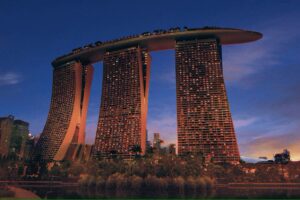
Genting Singapore operates one of Singapore’s two casinos, alongside Marina Bay Sands, owned by Las Vegas Sands. Marina Bay Sands also reported weaker third-quarter results. Adjusted property EBITDA fell 20.6 per cent year-on-year to US$590m, while net revenue declined to US$1.29bn from US$1.44bn in the same period last year.
Frequently asked questions (FAQs)
- What caused Genting Singapore’s Q3 profit decline? Weaker premium gaming activity and an unfavourable rolling win rate in September reduced gaming revenue by 22 per cent and cut adjusted EBITDA by roughly SGD36m versus a normalised rate.
- How did non-gaming revenue perform in Q3 2026? Non-gaming revenue rose 1 per cent year-on-year to SGD250.9m even though fewer hotel rooms were available during the period.
- What is the next phase of Resorts World Sentosa’s renewal? It includes hotel upgrades and repositioning plus improvements to gaming areas, lounges, restaurants and other guest facilities, though work will temporarily limit capacity through 2027.
- How did Marina Bay Sands perform in the same quarter? Its adjusted property EBITDA fell 20.6 per cent to US$590m, and net revenue declined to US$1.29bn from US$1.44bn, pointing to a softer quarter for Singapore’s casino market.