SABA warns illegal offshore gambling could cost bettors their winnings

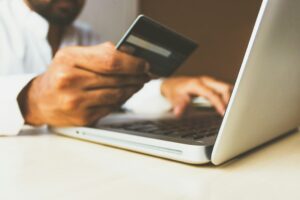
Foreign gambling licences do not authorise operators to offer betting services in South Africa, and winnings from unlawful gambling can be forfeited to the State.
Key takeaways:
- SABA has warned South Africans about the risks of betting on illegal offshore gambling websites during November’s Responsible Gambling Month.
- Foreign gambling licences issued in jurisdictions such as Curaçao and Malta do not authorise operators to offer gambling services in South Africa.
- Under Section 16 of the National Gambling Act, winnings from unlawful gambling activities can be withheld and, following a High Court order, forfeited to the State.
- Bettors are urged to check that operators hold valid South African bookmaker licences issued by one of the nine Provincial Gambling Boards.
- SABA warns that participating in illegal gambling can also expose players to prosecution.
South Africa.- Illegal offshore gambling could cost bettors their winnings, the South African Bookmakers’ Association (SABA) has warned, as it uses November’s Responsible Gambling Month to highlight the risks of unlicensed betting. The association is urging players to verify that operators hold valid South African bookmaker licences before placing bets, stressing that a gambling licence issued in another jurisdiction does not authorise an operator to offer betting services in South Africa.
In a statement published on November 2, SABA said South Africans needed to understand the risks of betting on illegal offshore gambling websites, including the possibility of losing winnings.
SABA CEO Sean Coleman warned that illegal gambling websites can appear legitimate while displaying foreign gambling licences. “Illegal gambling websites can look entirely legitimate, offer attractive bonuses, accept deposits in Rands and even have a South African web address. Some also display gambling licences issued in jurisdictions such as Curaçao or Malta. None of this means they are legally authorised to operate in South Africa,” Coleman said, according to TechFinancials.
The report also said illegal offshore operators compete for South African customers through marketing, sponsorships and promotional offers.
Coleman stressed that an international gambling licence does not authorise an operator to offer betting services in South Africa. A bookmaker must hold the appropriate South African provincial licence, and consumers should be cautious if they cannot identify the licensed operator and the provincial authority regulating it.
SABA is encouraging bettors to check an operator’s licensing details before depositing money. Players should look at the bottom of the website’s homepage for the registered name of the South African licence holder, its bookmaker licence details and the provincial authority responsible for regulating it.
The association also recommends verifying the information with the relevant provincial gambling authority or through the National Gambling Board’s Verified Gambling Operators Portal. It cautions that licence information displayed on a website is only a starting point, not conclusive proof of legitimacy.
Illegal gambling winnings can be forfeited to the State
The financial consequences for players can be significant. Under Section 16 of the National Gambling Act 7 of 2004, winnings derived from unlawful gambling activities can be declared forfeited to the State through a High Court order.
The National Gambling Board reported that approximately R3.075m (US$188.9k) in proceeds from unlawful gambling activities had been forfeited to the State through High Court orders between April 1, 2025 and April 10, 2026.
“Many people simply don’t realise that winnings from illegal gambling can be forfeited to the State,” Coleman said. He added: “You could place a bet, win money and then discover that you’re not legally entitled to keep those winnings. That’s a very real risk, and another reason why checking an operator’s licence matters.”
Coleman said November’s Responsible Gambling Month provides an opportunity to remind South Africans that “consumer protection begins before the first bet is placed.”
SABA also warned that participating in illegal gambling activities can expose players to prosecution. SABA reinforced its warning with a direct message to bettors: “A win isn’t worth much if the law says you can’t keep it.” The association’s advice was equally direct: “Know your operator. Check the licence. Bet legally.”
Frequently asked questions FAQs
- Can an offshore gambling licence authorise a website to operate in South Africa? No. SABA says a licence issued in Curaçao, Malta or another international jurisdiction does not authorise an operator to offer gambling services in South Africa.
- Can winnings from illegal gambling be forfeited in South Africa? Yes. Under Section 16 of the National Gambling Act, winnings from unlawful gambling activities can be withheld and, following a High Court order, forfeited to the State.
- How can bettors check whether a gambling operator is licensed in South Africa? They should check that the operator holds a valid South African bookmaker licence issued by one of the nine Provincial Gambling Boards. SABA also recommends verifying the details with the relevant authority.
- Can participating in illegal gambling expose players to prosecution? Yes. SABA warns that participation in illegal gambling activities can expose players to prosecution.