


Race Coast and 4Racing to standardise South African horse racing procedures
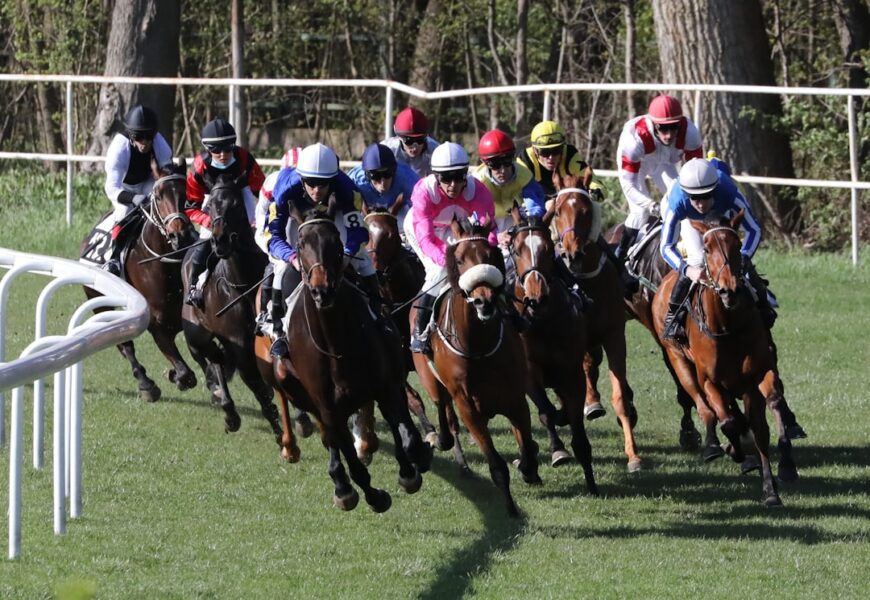

The changes will bring racecards, barrier draws and race conditions closer together across South Africa’s racing centres.
South Africa.- South Africa’s racing operators, Race Coast and 4Racing, will introduce standardised horse-racing procedures from November 1 2026, including changes to race conditions, barrier draws, saddle-cloth numbers and race classifications.
The changes are aimed at creating greater consistency across the country’s racing centres, while making the racing product easier to follow for fans and newcomers.
The operators announced the changes on September 21. 4Racing hosts racing in Gauteng and the Eastern Cape, while Race Coast manages the sport in the Western Cape and KwaZulu-Natal.
Saddle-cloth numbers will reflect the barrier draw of the relevant runner in all racing centres. Runners will also be carded according to their barrier positions rather than by allocated weight or alphabetical order.
Race Coast chief operations officer Dean Sawarjith said greater alignment would reduce complications for industry participants.
“Racing faces many challenges in the competition for the customer Rand, and simplifying an understanding of the mechanics for the racing public and all stakeholders, in fact, made sense. Having the racing operators on the same page and working together means less complications for all, in an environment where we encourage trainers to travel to optimise earnings opportunities for their owners. The benefits to the broader SA racing industry must always be our collective first consideration,” Sawarjith said, according to a Race Coast press release.
For punters, the change means the saddle-cloth number will correspond with the horse’s barrier position across all racing centres, making selections easier to follow from the racecard to the starting stalls, according to The Citizen.
Reserve runners will no longer receive a separate barrier draw. If a scratching occurs, the replacement reserve will take the barrier allocated to the scratched horse.
Race conditions, elimination procedures and criteria for race cancellations will also be standardised nationally. The operators will introduce uniform procedures for reducing stakes when fields are reduced.
Racing investment and regional changes
4Racing has announced an additional R22m (US$1.34m) in stakes across the Eastern Cape and Highveld. The Eastern Cape increase takes effect on October 1, while the Highveld increase starts on 1 November and runs through February 2027.
Race Coast has boosted its combined stakes investment across KwaZulu-Natal and the Western Cape to R270m (US$16.4m), a 20 per cent increase on the previous year.
The changes will also expand supplementary entries, which are currently available in KwaZulu-Natal and the Western Cape, to Gauteng and the Eastern Cape for minor races. This will give trainers an additional opportunity to enter horses after the initial entry stage.
4Racing’s Colin Gordon said the city of Gqeberha has a large population of lower-rated horses and relies heavily on jockeys from outside the province. Earlier entries provide more time to secure riders and arrange travel.
Barrier draws for minor races in Gauteng, the Eastern Cape and KwaZulu-Natal will be conducted at final-field stage rather than entry stage. The operators will also revert nationally to traditional MR Handicapping styling of race categories.