

Northern Cape board urges African regulators to strengthen action on problem gambling
The NCGLB says public education, stricter advertising rules and accessible support services are needed to address gambling-related harm.
South Africa.- The Northern Cape Gambling and Liquor Board (NCGLB) has called for stronger public education, regulatory cooperation and support services to address problem gambling as online betting continues to expand in South Africa.
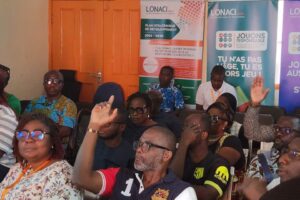
NCGLB CEO Modise Letselebe made the comments during the African Lotteries & Gaming Association (ALGA) CEOs Forum 2026 at the Durban International Convention Centre, where regulatory harmonisation, responsible gambling and sustainable industry growth were among the key issues discussed.
The call comes as gambling participation and betting activity remain high in South Africa. The National Gambling Board (NGB) reported a gambling participation rate of 65.7 per cent for the 2024/25 financial year, while gross gambling revenue reached R74.9bn (US$4.7bn). Betting generated R52.3bn (US$3.3bn) of that amount, accounting for roughly 70 per cent of total GGR.
The scale of gambling activity was also reflected in total turnover, which reached approximately R1.5tn (US$94.1bn) during the same financial year.
Against this backdrop, Letselebe said the industry needs a stronger collective approach to responsible gambling, particularly as digital platforms make betting more accessible. He identified gambling addiction, illegal gambling and the protection of regulated markets as key areas requiring continued attention from regulators and industry stakeholders.
Problem gambling has also emerged as a growing concern. Recent reporting based on South African gambling data put problem gambling prevalence at 31 per cent, compared with 6 per cent in 2017. The South African Responsible Gambling Foundation (SARGF) has also reported a 60 per cent increase in the number of people seeking help for gambling problems.
Letselebe said addressing the problem requires more than regulatory intervention, pointing to public education, partnerships, stricter advertising rules and accessible support services as part of the response.
The NCGLB also highlighted the exposure of vulnerable groups, including low-income earners, young adults and social grant recipients, to risky gambling behaviour. It said some consumers may view betting as a way to address financial pressure rather than treating it as a recreational activity.
The board warned that compulsive gambling can contribute to debt, family distress and mental health difficulties, reinforcing the need for consumers to understand the financial risks associated with excessive betting.
Illegal gambling was another focus for the board. Recent industry estimates indicate that illegal operators account for a substantial share of online gambling activity in South Africa, with one 2026 estimate putting the figure at 62 per cent.
The NCGLB said cooperation among African regulators could help address operators and activities that fall outside established licensing and consumer protection frameworks.
Letselebe’s comments at the CEOs Forum come as African gambling markets face similar challenges from the rapid expansion of online betting. H2 Gambling Capital estimates that online betting gross gaming revenue across Africa could reach US$13.5bn in 2026, more than double the level recorded in 2023.
The NCGLB’s participation in the event forms part of wider discussions on how African gambling regulators can strengthen regulatory approaches while supporting sustainable development within the sector.